The power of fashion lies in its power to transform identity and culture.
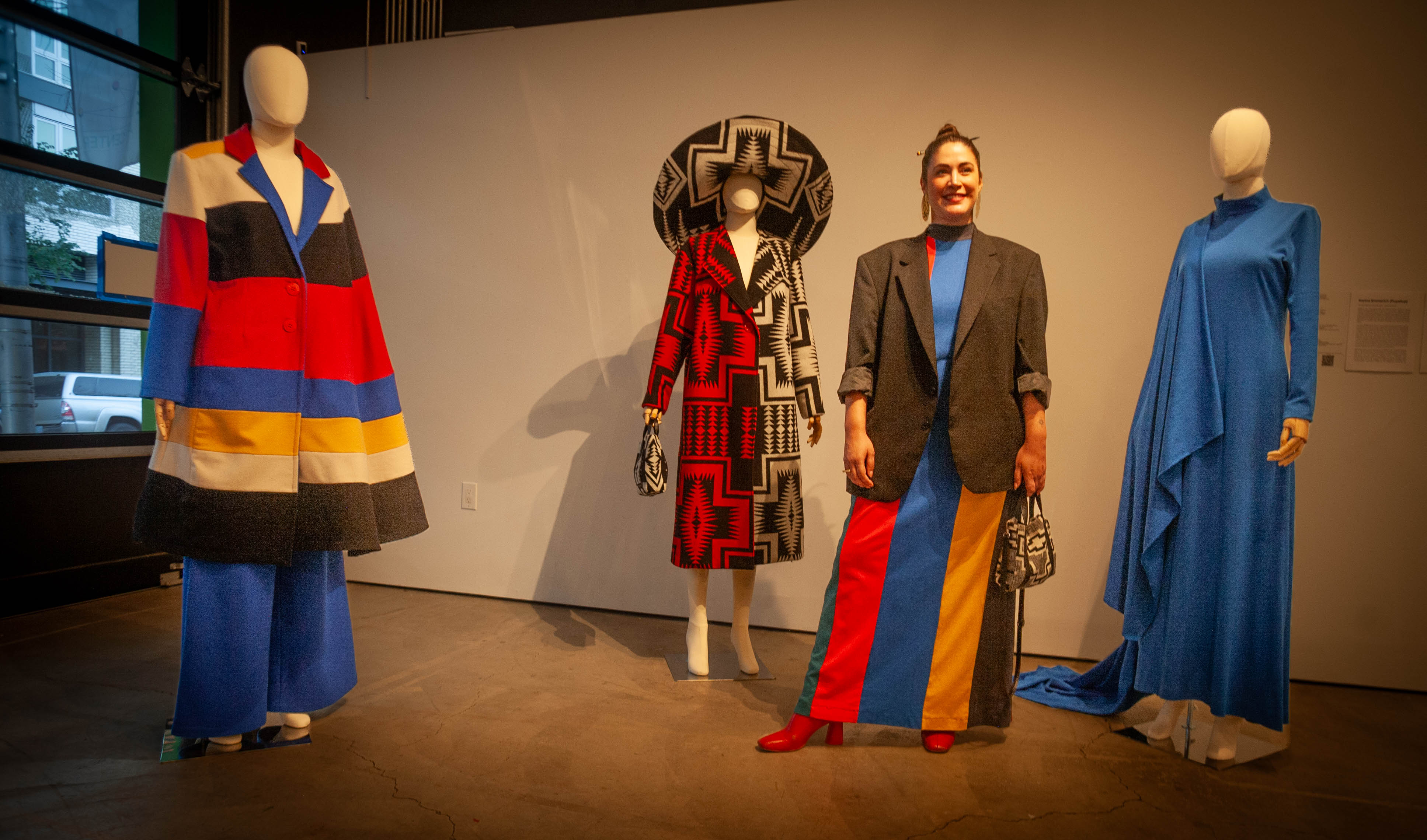
There is a global phenomenon of fashion exhibitions at elite institutions, the likes of The Metropolitan Museum of Art in New York and Victoria & Albert Museum in London. As crowds, who appreciate and are fascinated with fashion, pour into museums and art galleries they not only experience the historical perspective, but a re-discovery of forgotten designers both living and deceased. Earlier this year, the Pratt Manhattan Gallery exhibited the groundbreaking Black Dress: Ten Contemporary Fashion Designers which celebrated the innovative work of ten up-and-coming and established New York-based Black fashion designers.
EDGE sees the gallery and museum venue as a new era of exposition for emerging designers, providing a platform where their innovative visions can be showcased to a broader audience. Fashion designers are not just creators of clothing; they are artists whose work reflects the complexities of human expression and cultural commentary. Shows can be curated with a collective vision that intertwines both a historical context and relevance to contemporary culture, offering viewers a deeper understanding of the artistry behind each piece. While institutions like The Met and V&A serve as landmark examples of cultural preservation and celebration, the true opportunity lies in transforming this concept into a more mainstream experience, one that engages not only the fashion industry insiders but also invites the public to appreciate and celebrate these creations. This shift could foster a richer dialogue about the role of fashion in society, sparking interest and inspiration across diverse audiences.

This is Part I of a three part series.
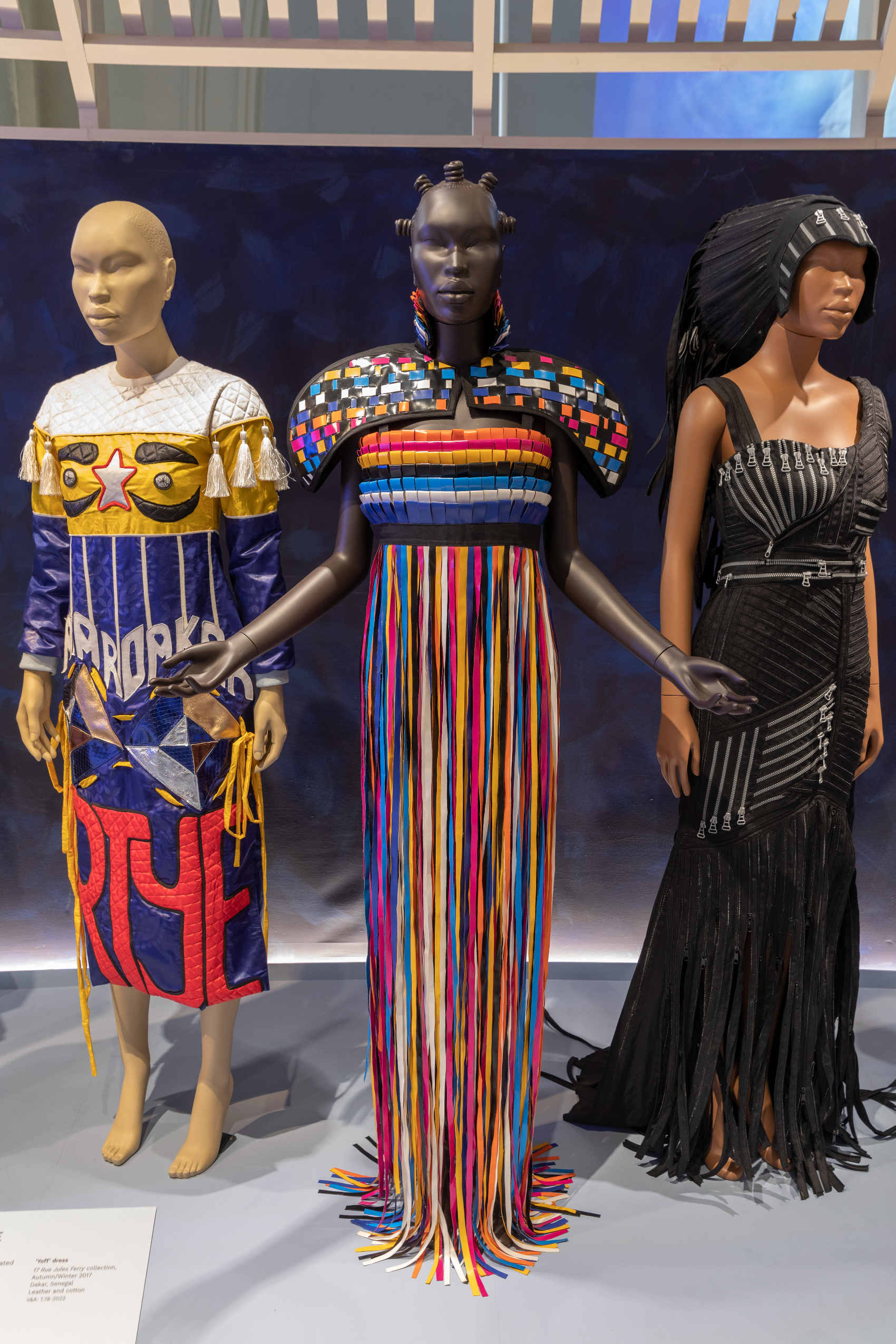
Feature Image: Africa Fashion at the V&A Installation shot (35), courtesy of Victoria & Albert Museum, London, July 2022