
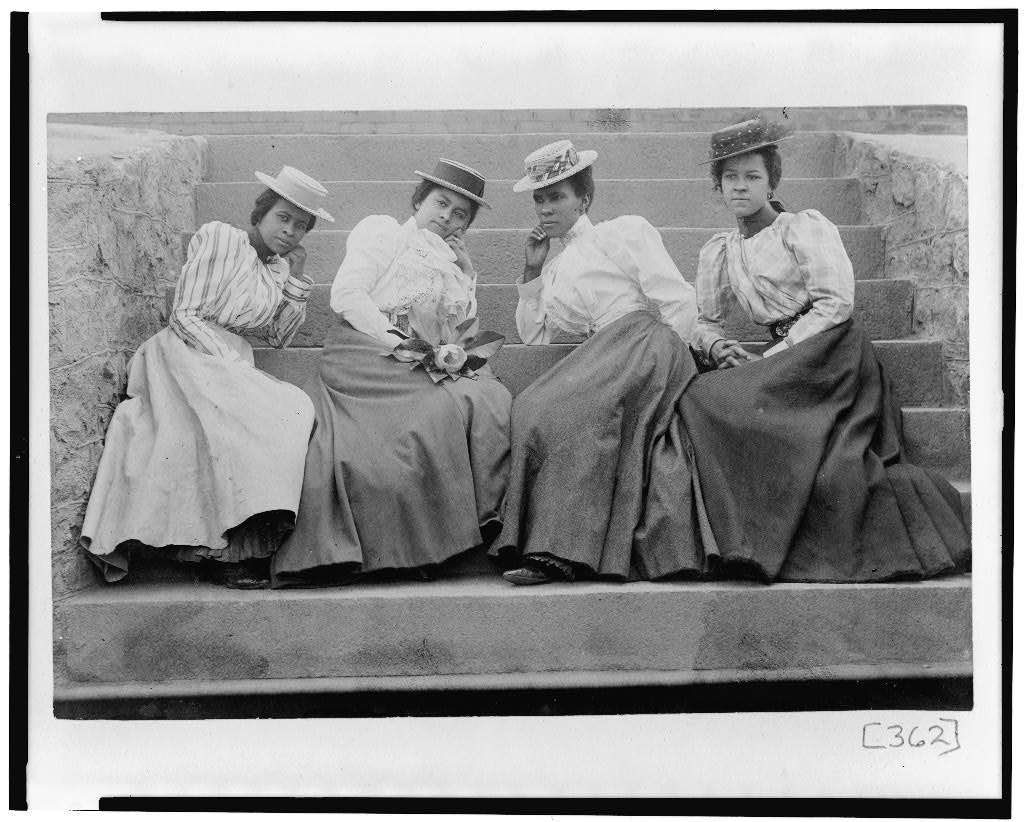
In 1900 a transformation of Black identity and the world’s view of Blacks in America took center stage at the 1900’s World’s Fair in Paris. A perception of Blacks in America was manifested through photojournalism and visual data witnessed by the outside world looking in. Those in the Black community validated that perception by leveraging the power of appearance through fashion, style, and hair. I’ve often said, the power of fashion lies in its ability to transform identity and culture.
Three decades after the abolition of slavery, African Americans were depicted as sharecroppers and domestic household servants, which was counter to economic advancements made. William Edward Burghardt Du Bois (1868-1963)—an African American sociologist, historian, journalist, co-founder of the National Association for the Advancement of Colored People (NAACP), and anti-racist activist—sought to change that image with the “Exhibit of American Negroes” at the 1900 Paris Exposition. The goal of the exhibition was to demonstrate progress and commemorate the lives of African Americans at the turn of the century.
Led by W.E.B. Du Bois, the award-winning “Exhibit of American Negroes” was created by an all-black team, in collaboration with Booker T. Washington (1856-1915), the famed African American educator and orator and Thomas J. Calloway (1866-1930), an African American attorney, journalist, and official for the Exposition’s American Pavilion.
Du Bois curated hundreds of photographs and data portraits using graphs, maps, and colorful charts to visually communicate a progressive Black America. The handmade, colorful graphs, in particular, provided visual data of racial inequities. This was a pivotal time to change the world’s view through photos, to fight negative stereotypes on a world stage. He wanted the exhibit to demonstrate success rather than struggle. Du Bois was awarded the bronze medal for his declaration of Black in America, while the entire exhibit garnered the gold medal.
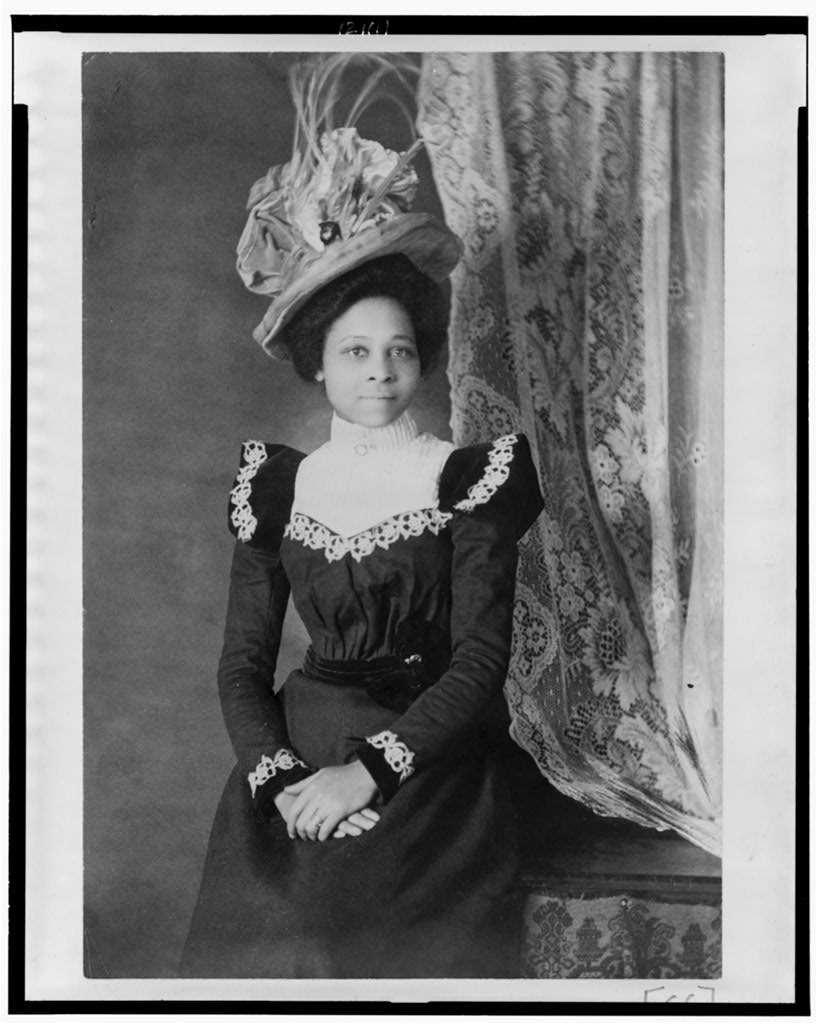
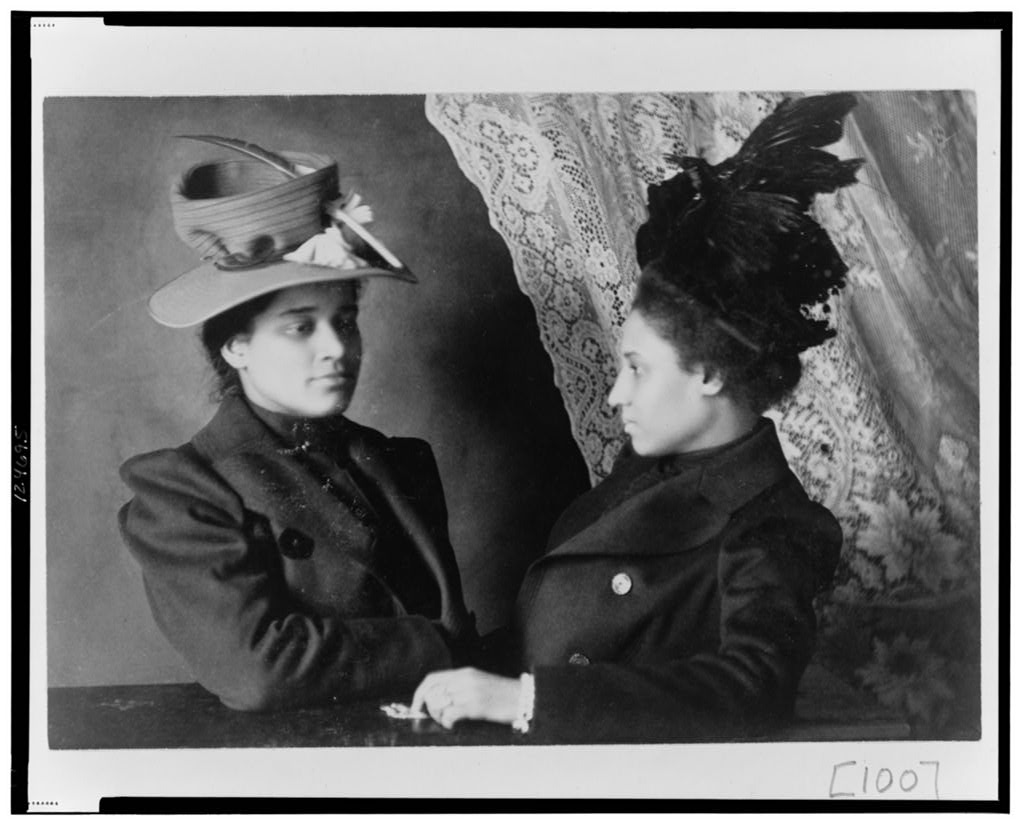
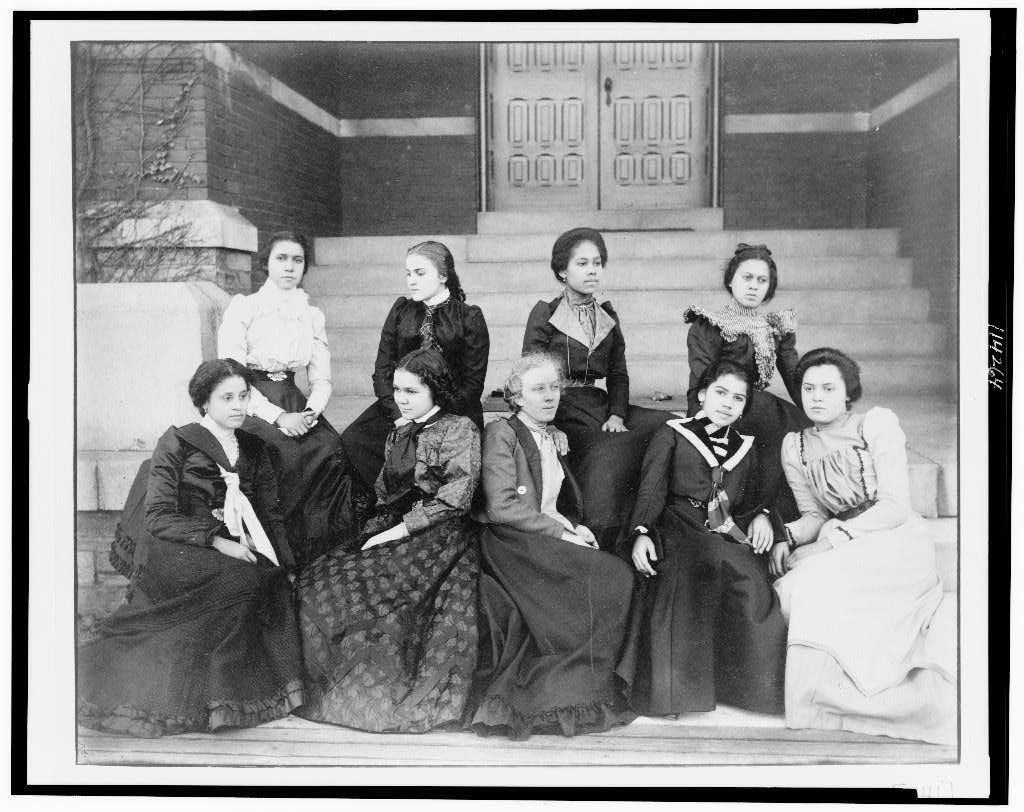
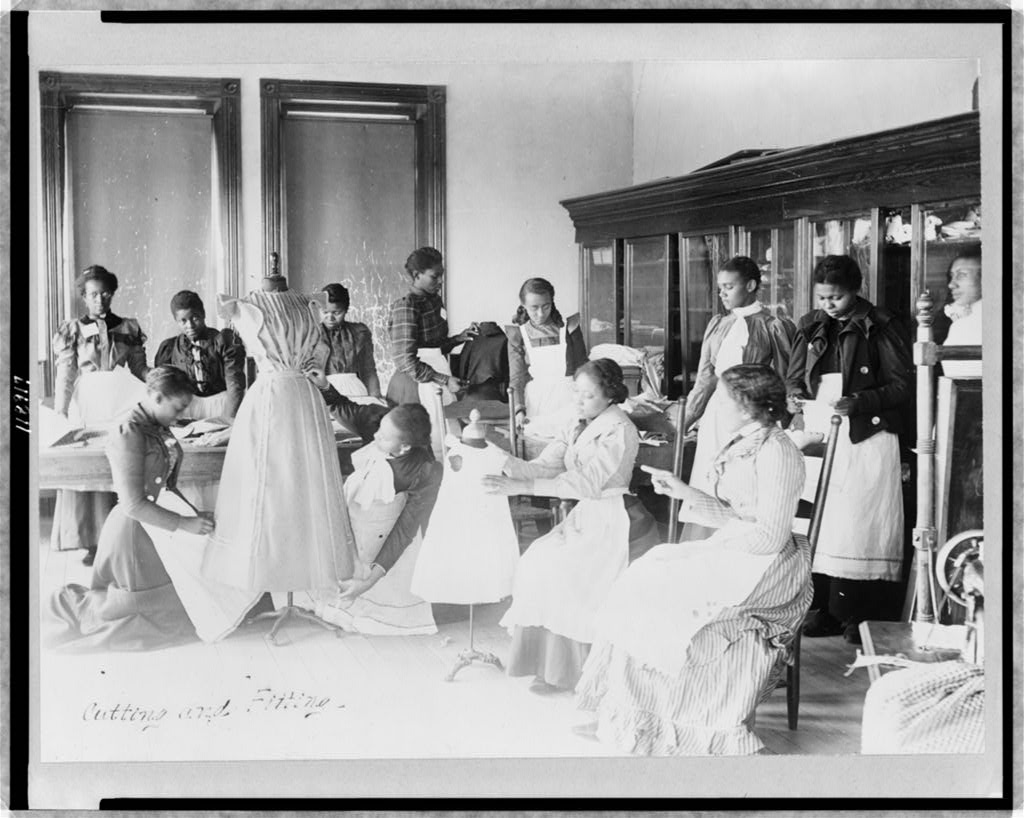
In the exhibit, photos depict upwardly-mobile Black Americans as signified through specific identifiers—identity by dress and hair, identity by status in the community [such as business ownership and vocation], positive identity of community structures such as churches, homes, and academic buildings, and identity by education. Education fueled progress. Women were taught the creation of clothing through sewing, cutting, and fitting classes, and any that used sewing as a vocation were known as dressmakers or seamstresses. They were not acknowledged as designers, even though early pioneers in this vocation, such as Elizabeth Hobbs Keckley and Anne Cole Lowe were clearly designers.
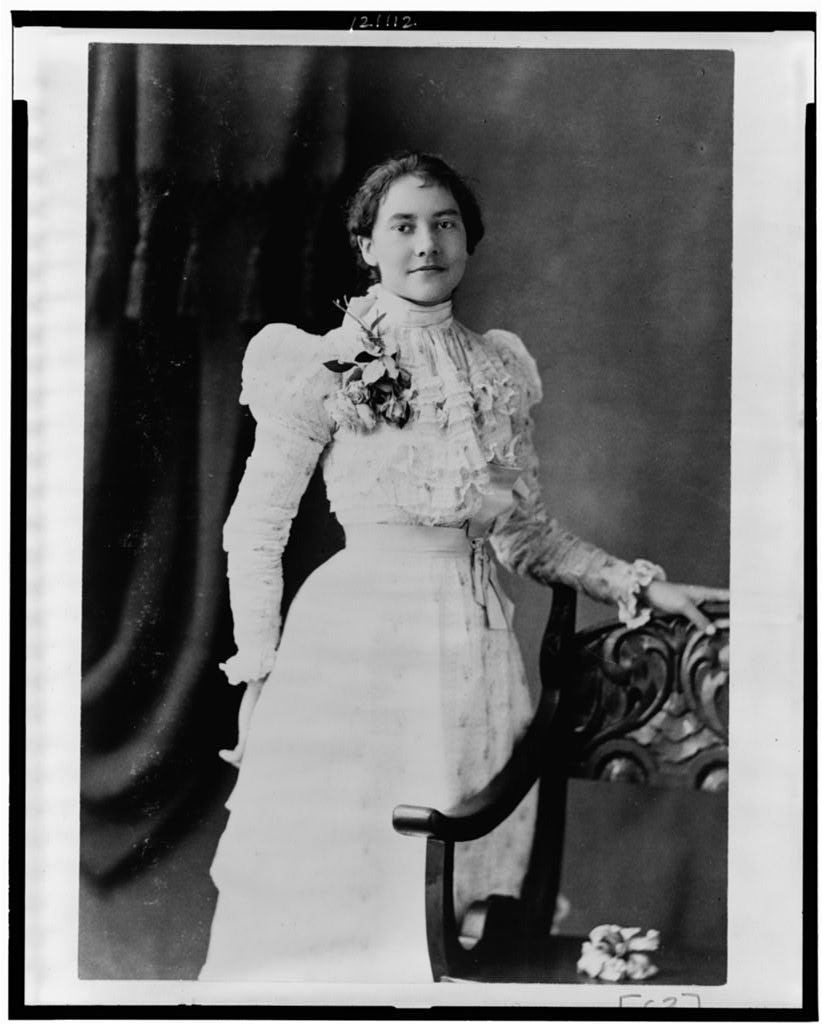
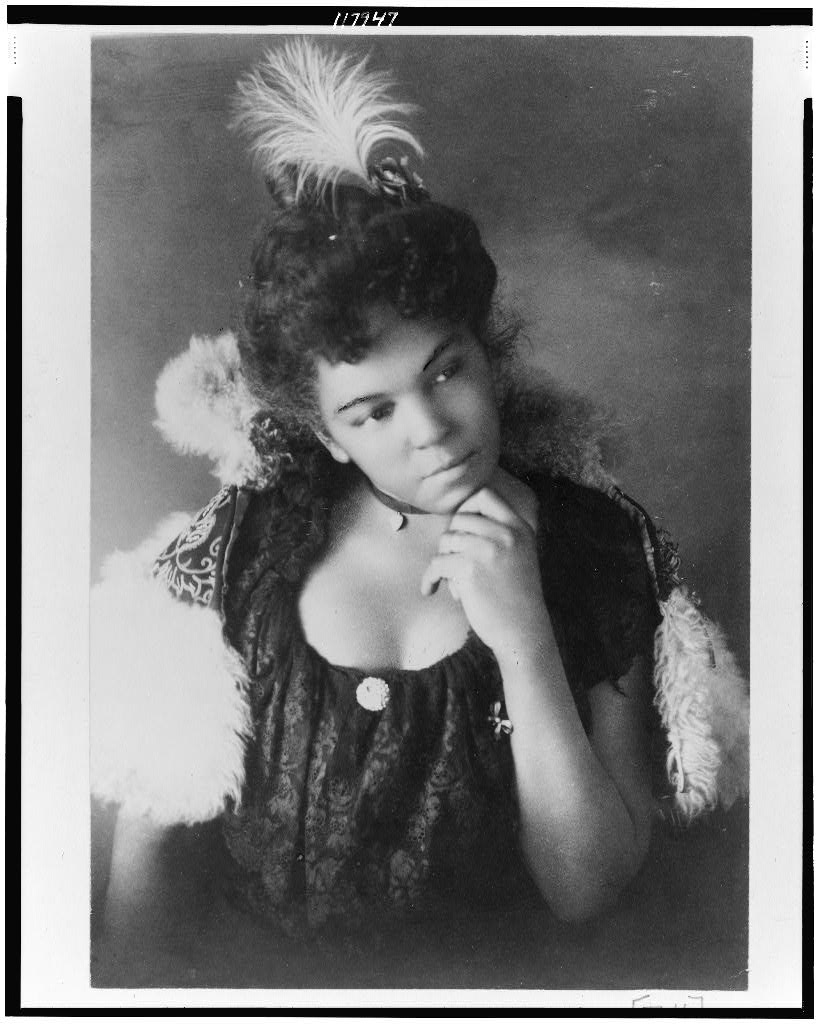
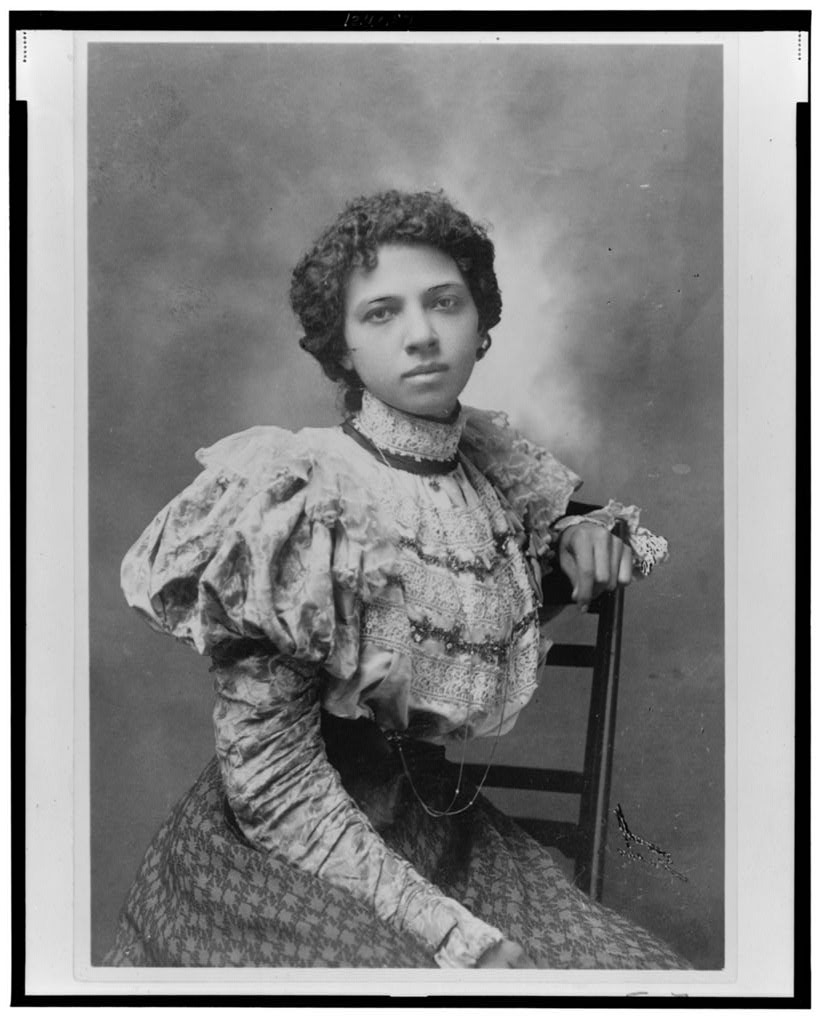
Du Bois organized the exhibit by albums. The album, “Types of American Negroes”, has mostly portraits of people. What is significant in these portraits is how their subjects present themselves, specifically their fine dress—clothing, jewelry, hats, and footwear—that is to be in step with a white, upwardly-mobile, American middle class, i.e., their white peers. NPR’s Michele Norris, host of All Things Considered, talked with Deborah Willis, co-author of A Small Nation of People and historian of photography, about the collection. “The photos were very much in keeping with the values and customs of Victorian-era society”, comments Michelle. “Yes, and that’s part of that whole notion of nineteenth century photography. It was a middle-class experience as well as a Victorian experience”, says Deborah. Educated, affluent ‘American Negroes’ celebrating their social advancement since slavery, was not part of the public sphere as Deborah concurs, “these are people who collected fine objects, something that we rarely saw in the public medium”.¹
The photos showcased a wide range of hair styles and skin tones representing the diversity of the so-called “Negro type”. The one public statement Du Bois made concerning these photographs was that visitors to the American Negro exhibit would find “several volumes of photographs of typical Negro faces, which hardly square with conventional American ideas.”²
The exhibit is of historical and cultural significance. It shows how the power of dress can change the perception of a segment of society, uplifting and inspiring to those in the community, and bearing witness to those outside the community. This is what Du Bois wanted. The exhibit was a means to an end reversing the negative image of Black people.
Maxine Leeds Craig, author of Ain’t I a Beauty Queen: Black Women, Beauty and the Politics of Race, frames the power of dress in terms of “race uplift”, a collective responsibility to use one’s appearance for the greater good of the community:
In the late nineteenth century and early part of the twentieth century African American community leaders were explicit about using dress as a way to assert the dignity of the race. Often framed in terms of “race uplift”, the responsibility to attend to one’s appearance for the collective good of the race was particularly impressed upon women, who were taught that the elevation of the race depended on the character of the women, and that character would be evaluated by appearance. Black leaders exhorted women to deport themselves with dignity because the race had to defend itself against the slurs of white racists. Their belief was that the Black women who dressed well would be walking demonstrations of the decency and good worth of all Black people.
– Maxine Leeds Craig³
According to Deborah Willis, after the Paris exhibit, in 1901, the Exhibit of American Negroes was exhibited at the Pan-American Exposition, then a World’s Fair in Buffalo, New York, from where it traveled South and later given to the Library of Congress, which now houses it.
Photo Gallery “Exhibit of American Negroes, 1900 Paris Exposition”, 1899 or 1900:
From the notes in the album “Types of American Negroes”, contributed, compiled and prepared by W.E.B. Du Bois, ‘dress’ was incorporated as part of the subject.
Female Dress
These striking photos of women, representing the vibrant and diverse Black middle-class, powerfully illustrate the concept of class through their confidence and meticulously chosen attire—clothing, hats, jewelry, and hair. Each portrait stands as a testament to the rich cultural heritage and history that shapes their identity, showcasing not only their personal style but also the collective achievements of the Black community.

Higher Education
Group portraits depicting women of higher education at the steps of Historical Black Colleges and Universities (HBCU) serve as powerful symbols of achievement and resilience. These images not only highlight the educational accomplishments of these women but also represent a rich legacy of academic excellence within the Black American community. As they stand proudly on the iconic steps of these prestigious institutions, they embody the struggles and triumphs that have paved the way for future generations.

Dress Making
Although the artisanal tradition of dressmaking was handed down by enslaved ancestors, the skill that prominently emerged for women was mastering the sewing process, particularly within the framework of formal education. During this period in American history, Black women who acquired the skill—whether formally or informally—became accomplished dressmakers and seamstresses. Many established their own dressmaking businesses, successfully catering to white patrons.


Male Dress
‘Dress’ was not categorized for men as it was for women, yet the Late Victorian style of attire, characterized by custom tailoring, waistcoats or vests, high collars, and ties distinct to the era, stands out. These middle-class, educated men radiate elegance and sophistication—an image rarely captured in public media. The portraits define leaders, educators, businessmen, and members of the clergy and military. Fashion, proper attire, and personal possessions clearly illustrated and reinforced one’s standing in society.
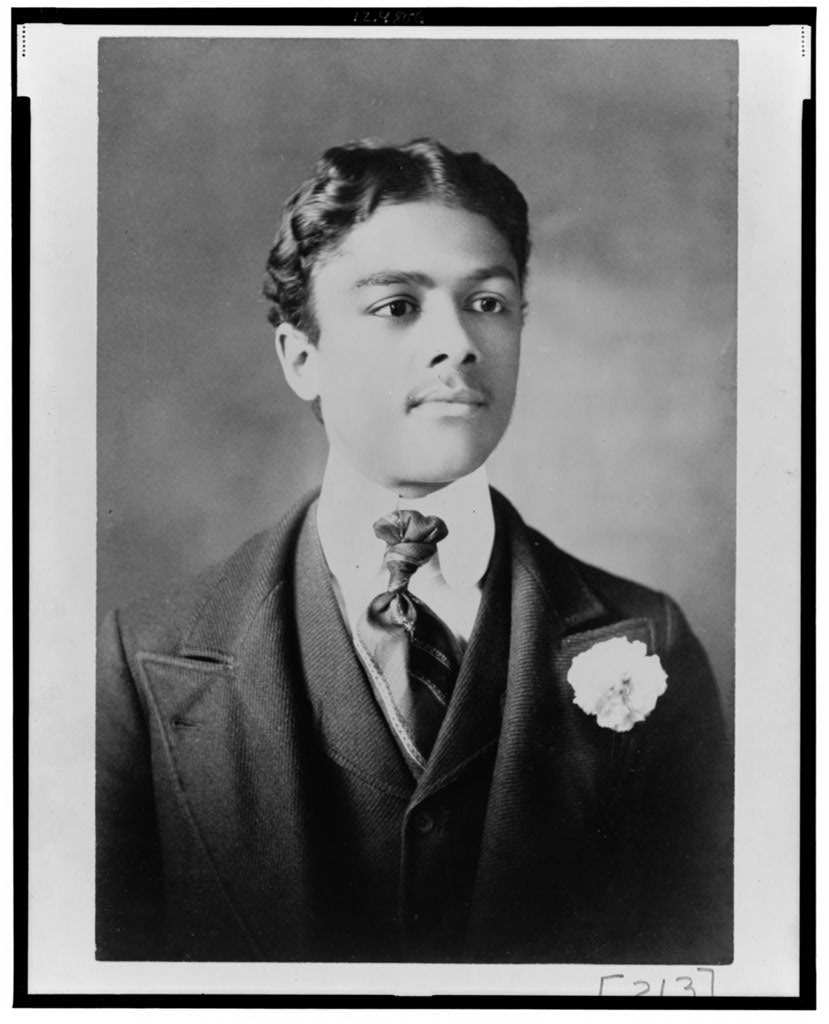
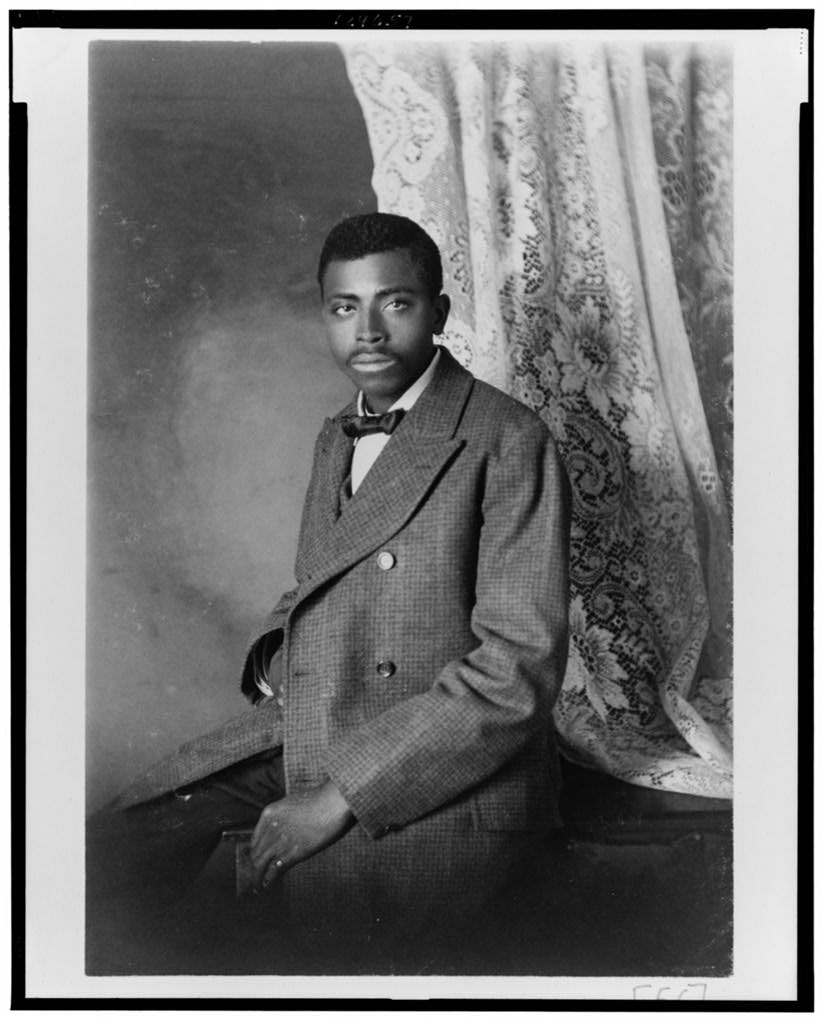
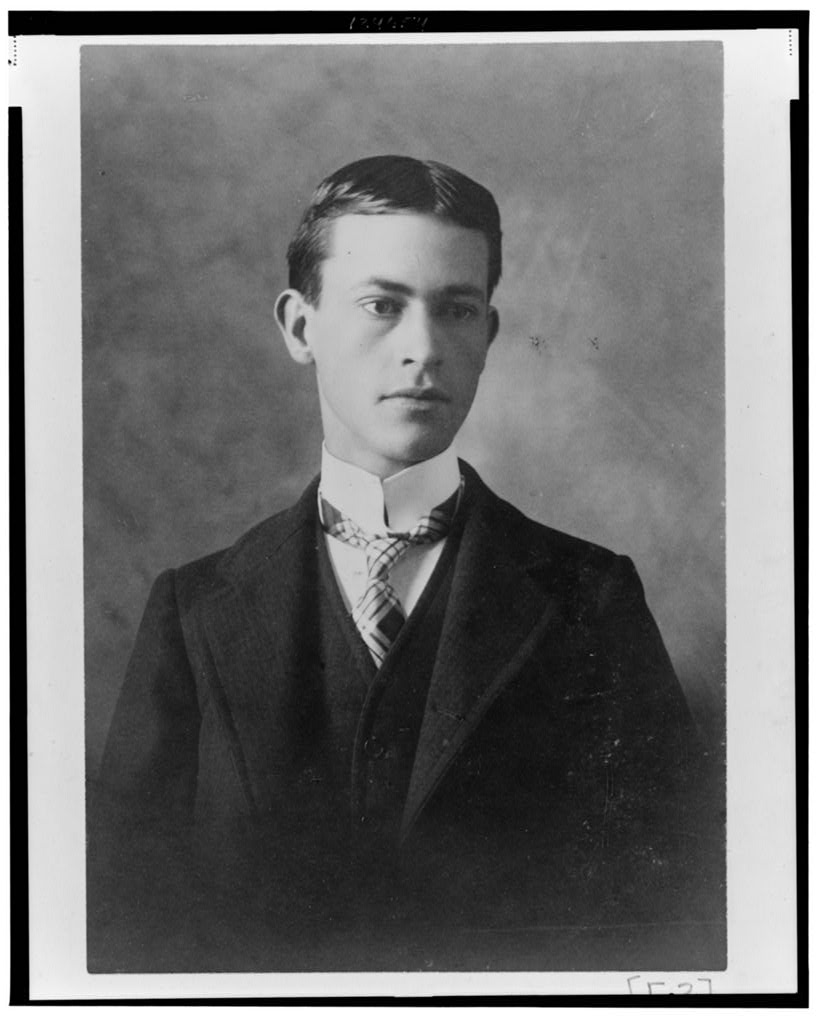

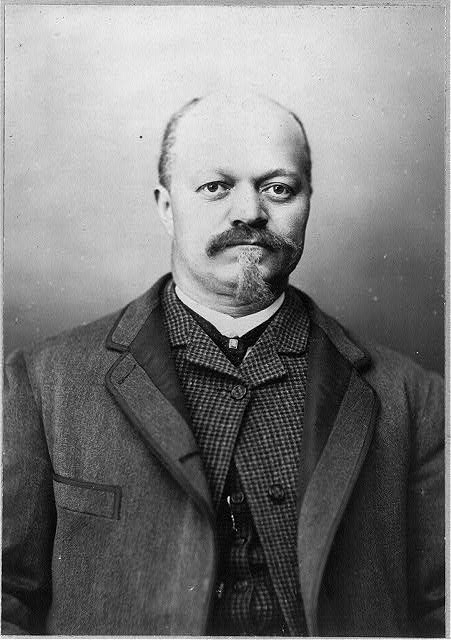
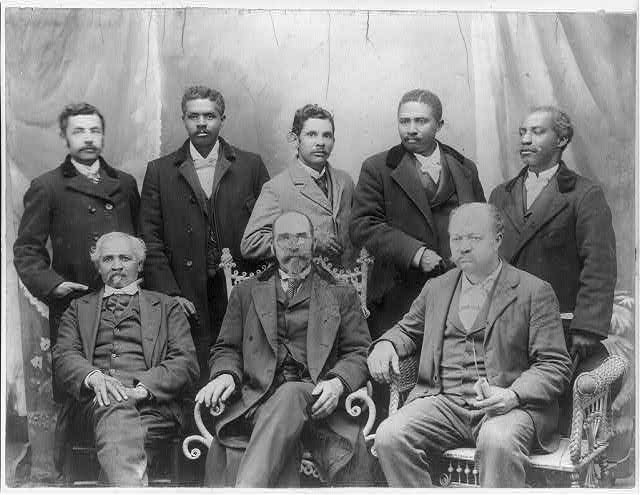
W.E.B. Du Bois’ Exposition des Nègres d’Amérique Transformed the World’s View of Black in America as part of A Study of Eight, shows how Black people have historically used appearance as a means to an end, a tool for advancement, to overcome oppression. Du Bois’ “Exhibit of American Negroes” elevated the transformative power of ‘dress’.
Notes, sources, suggested further study, and documents:
- ¹NPR, W.E.B. Du Bois African American Portraits
- ²Materials Compiled by W.E.B. Du Bois, Library of Congress
- ³Leeds Craig, Maxine, Respect and Pleasure, The Meaning of Style in African American Life, Chicago History Museum, Inspiring Beauty: Fifty Years of Ebony Fashion Fair exhibition catalogue, 2013
- There are 557 photographs assembled for Exhibit of American Negroes, 1900 Paris Exposition – online access, Library of Congress.
- More on W.E.B. Du Bois’ Exhibit of American Negroes (Exposition des Nègres d’Amérique), 1900 Exposition Universelle (the Paris International Exhibit) at Literary Hub; Smithsonian Magazine.
Images: courtesy of Library of Congress Prints and Photographs Division Washington, D.C. 20540 USA
 E D G E