
The fashion industry is not friendly to this kind of thinking and method of designing. There is a constant battle of commercial mandates versus creativity. What’s good for commerce minimizes innovation, curiosity, and experimentation, particularly in the mainstream landscape.
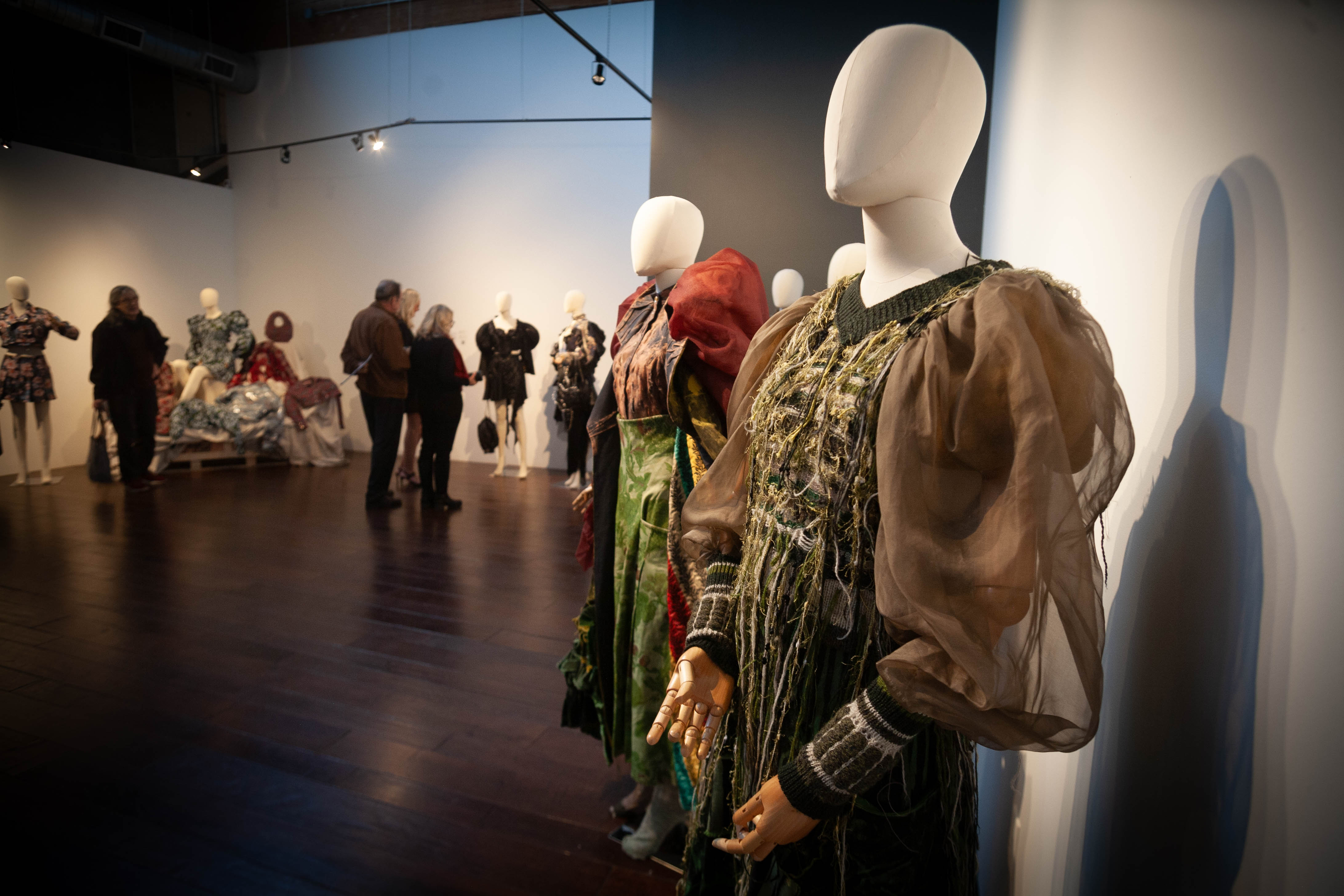
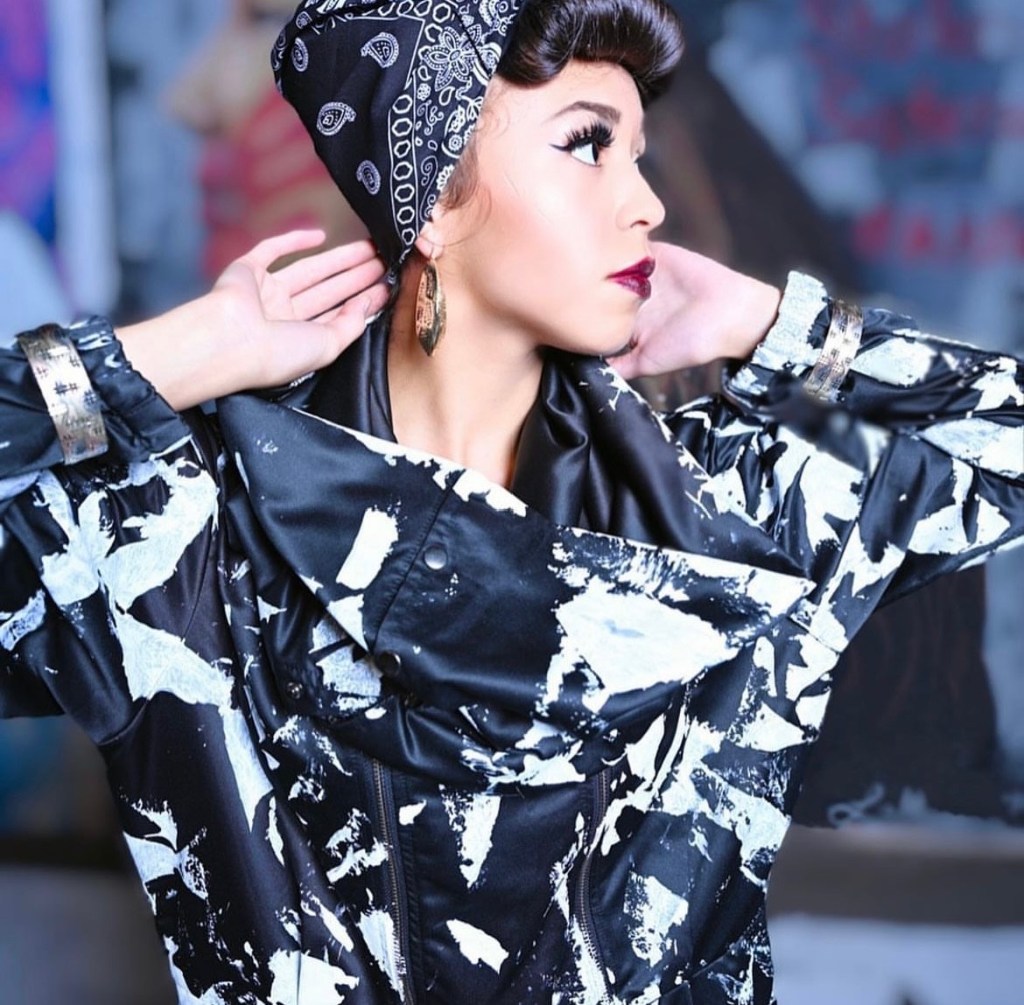
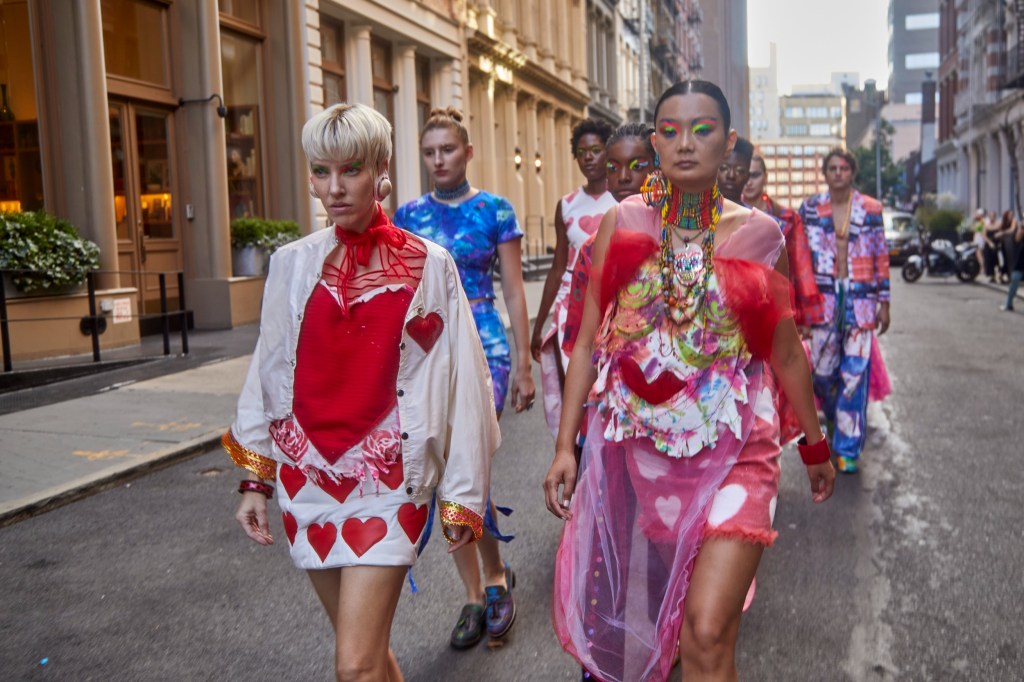
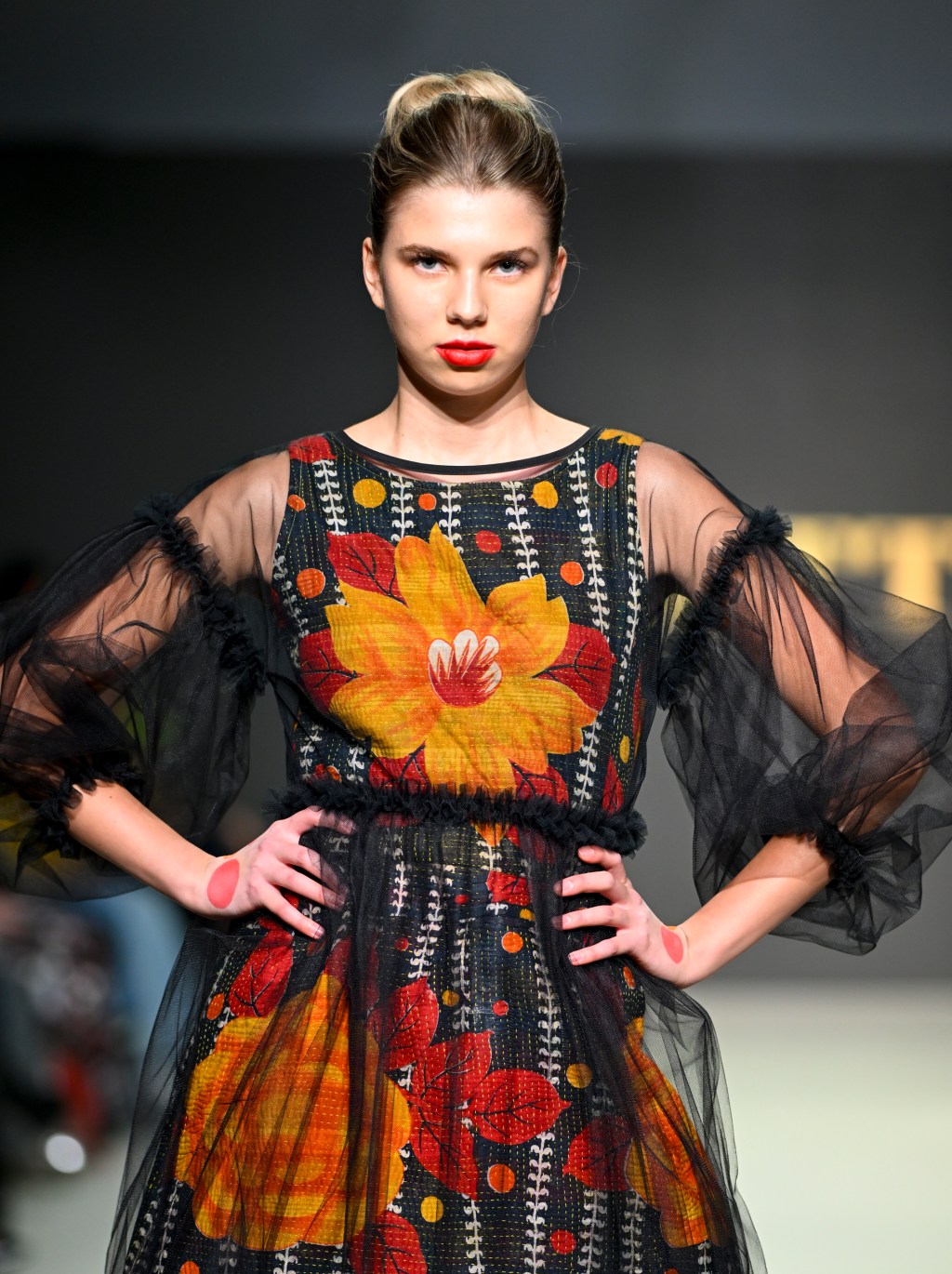
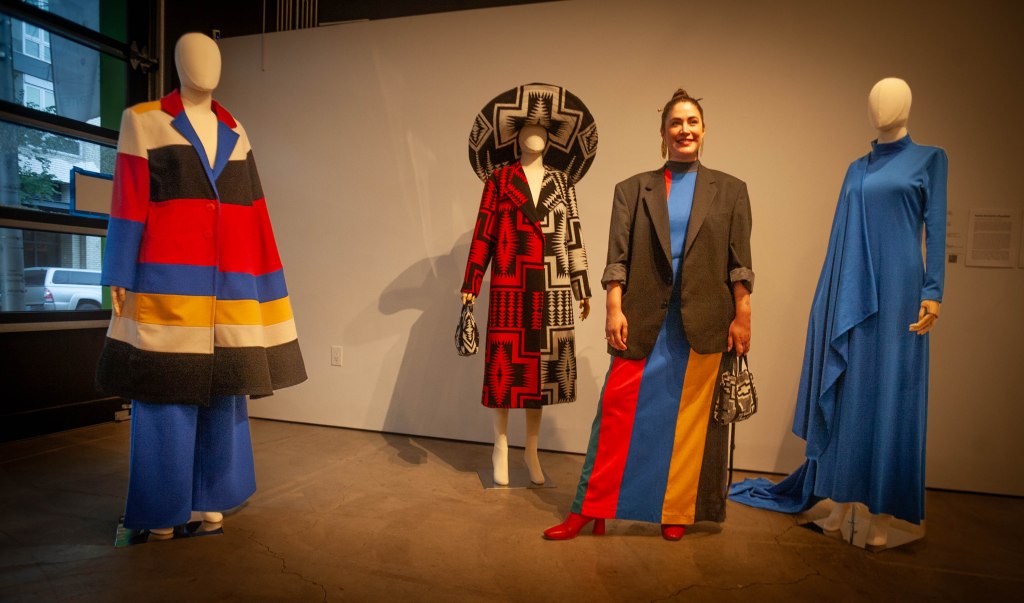
Kyle Denman, Isabella Diorio, Korina Emmerich (Puyallup), Karen Glass, Alena Kalana, Ruree Lee, Maital Levitan, Maryanne E. Mokoko (not in show), Abiola Onabulé, and Yun Qu, whose work is part of the “CLOTH, Construct, CULTURE: fashion builds a story” exhibition, are a new generation of designers who create meaningful fashion as an art, with an ecological sense of longevity, while redefining cultural influences. When we study the vision, concept, construct, and narrative behind their work, we see why it matters to recognize their contribution to culture.
We celebrate their non-conforming, experimental, and imaginative work because we see it as change, and they want to effect change, to build something different from the status quo and leave a mark behind. West Coast art dealer Irving Blum, famous for taking a chance with Andy Warhol when no one understood his artwork, once said, “artists that effect change, real change, are so few and far between, are so incredibly valuable, they cannot be replaced, they’re unique. You have to adore these people. They contribute so much to the culture. They are the culture.”
The fashion industry, however, is not friendly to this kind of thinking and method of designing. There is a constant battle of commercial mandates versus creativity. What’s good for commerce minimizes innovation, curiosity, and experimentation, particularly in the mainstream landscape. The industry can be brutal. Designers who work tirelessly on creating season-specific collection after collection, non-stop, are longing to get off the fast train, to look away from commercial mandates and revisit values.
When asked her thoughts on how the industry values fashion as it relates to art and culture, Ruree Lee’s response speaks to what many designers feel:
Rhonda, this question really represents the problem that designers face all the time. Commercial designs are usually minimal and comfortable commercial obligations because they are favorable in the popular market. Still, people look for clothes that they can realistically wear within the confines of societal norms and most think of clothes as a utility rather than a way to express oneself.
I regret that most people’s exposure to artful pieces of fashion is through historical pieces. Perhaps if more meaningful pieces of fashion were more prevalent in modern culture and popular media, it would become the new norm and people would be more open minded to trying more creative fashion in everyday life.
Along with Lee’s perspective, expressed in their own words, are statements from the designers in this exhibition that paint a picture of what they think of fashion, how they relate to fashion, and how they view fashion’s role in today’s socio-cultural space.
Kyle Denman
Fashion is the most powerful art that exists–it is the intersection of design, movement and architecture juxtaposed in social, political, and cultural contexts. Fashion is expression, communication, and activism. It is inherently political yet neutral, communal yet personalized, and silent yet loud. That’s what I love about fashion; it is paradoxical and so nuanced, just like the human experience.
Not only does fashion predict the future and respond to those possibilities, but fashion is also record keeping. It protects the zeitgeist of the past and predicts the zeitgeist of the future… It is essential to human development, and the industry needs to understand that and create a space where humans can continue to be inspired.
Isabella Diorio
I believe that what we make and what we wear should be reflections of the world we wish to see. Sustainability, caring for our Earth, and clothes that speak, that tell a story, are what I work to create and educate others on, because sometimes even the smallest efforts can enact change.
It’s not just about the garment itself but about the story behind it.
Korina Emmerich (Puyallup)
Ethical consumption is something that is really important to me and, as Indigenous people, we often think about how our choices affect land and that’s a conversation that really needs to be talked about and focused on in the fashion industry now.¹
Karen Glass
There are multiple factors that are contributing to the movement of living with fewer things of greater value. Historically, we’ve seen that cultural philosophies and behaviors take many years to evolve.
The movement of cultural philosophy and engagement from a post-modern, post-industry perspective to a meta-modern vision of self-reflection and self-awareness, has us collectively watching and becoming aware of our actions and their consequences.
Alena Kalana
One thing I want to do is figure out a better way to leave less of a footprint. I am not at all interested in mass production. What I create is art.
Maital Levitan
I see fashion as a way to express myself through a story, an idea, and I do see my clothes as a work of art.
Maryanne E. Mokoko
African fashion, wearable/fashion art should be eligible for showcase [according to merit/skill level] on any creative platform in the world. The industry has begun welcoming this notion and in due time the separation we see will be a non-issue.
Abiola Onabulé
For Yoruba Nigerians (which is my father’s people), cloth is still a very conscious part of the culture. Everyone is a degree of separation away from a weaver, a seamstress, a tailor, an embroiderer.
A cloth such as Aso Oke is worn for very specific momentous occasions in life, such as weddings, with each side of the family wearing specific colors, so it’s clear if you are with the groom’s side or the brides. In my experience, because these cloths are commissioned and woven for very specific occasions, after they are used, they are often then kept and stored in a caring manner, folded and preserved, to be brought out and talked over, conjuring up memories of the cloth’s original outing. It’s this link between cloth and memory, cloth and sentiment, cloth as a link back to a time in someone’s life, that really inspires me, and encourages me. I think it’s so important to not forget the importance of a material, in a person’s life.
I hope the system of fashion production will become a more caring one, a more creative one, that is less capitalistic, less colonial in its nature.
Yun Qu
I’m sure compared to a lot of brands; my brand definitely moves quite slowly. I prefer taking my time to do research and study new techniques and develop a collection that will make me feel content as a designer instead of trying to rush and make multiple collections based on the industry standards.

¹Korina Emmerich (Puyallup) in conversation with Jeffrey Gibson (Choctaw Cherokee), moderated by Regan de Loggans (Mississippi Choctaw), curator, The Museum at FIT | YouTube, “Fashion Culture | Jeffrey Gibson and Korina Emmerich in Conversation”, The Museum at FIT, 05 November 2020.
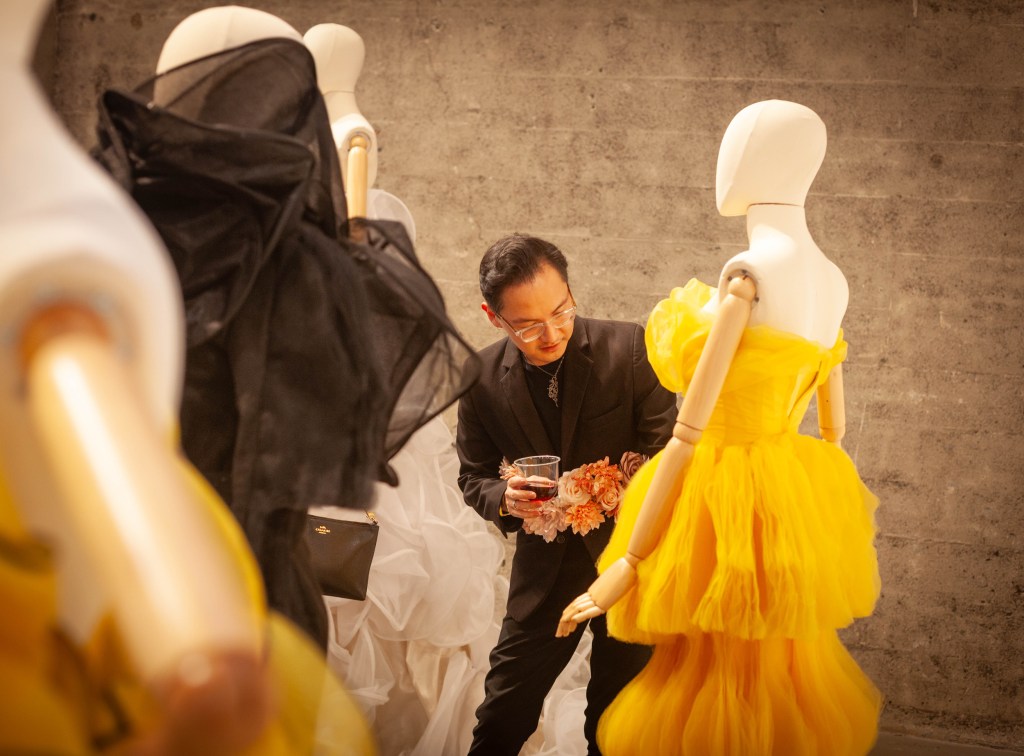
Feature image: Kyle Denman at reception for “CLOTH, Construct, CULTURE: fashion builds a story“, Parallax Art Center, 2023 | photo by T. Christian Gapen
 E D G E