
What is transpiring in the realm of fashion exhibitions? The year 2025 promises to be a remarkable period for fashion and its significant contributions to culture. Attendees can anticipate a curated selection of enlightening experiences that may foster meaningful discourse. This is fundamentally the purpose of art, particularly with this year’s lineup showcasing exhibitions such as LOVE Fashion: In Search of Myself organized by the National Museum of Modern Art in Kyoto and the Kyoto Costume Institute, as well as the Design Museum’s Tomorrow’s Wardrobe, the Victoria & Albert Museum’s Design and Disability, and The Metropolitan Museum of Art Costume Institute’s Superfine: Tailoring Black Style.
We conducted an extensive search around the globe and identified 11 exhibitions that are deemed “Must See.” For the convenience of navigation, a summary of these exhibitions is categorized into three themes: What We Bear, Textiles, and Retrospective, Historical, accompanied by a list containing pertinent links and dates.
Curating the human form and constructing narratives around it is not a conventional discourse within the realm of fashion. However, it constitutes one of the most significant art forms, as it enables society to reflect on how it delineates the spirit or mood of a particular era, and how it can signify culture, social behavior, and economic status. Fashion possesses that extraordinary power. Much like art, it encapsulates the zeitgeist, allowing us to witness the interpretation of its historical and cultural relevance.
What We Bear
The National Museum of Modern Art in Kyoto, in collaboration with the Kyoto Costume Institute (KCI), is pleased to present LOVE Fashion: In Search of Myself, a carefully curated exhibition featuring KCI’s extensive collection of costumes spanning from the eighteenth century to the present. Alongside art and literary works that illuminate fundamental human drives and instincts, the exhibit invites contemplation on the diverse manifestations of ‘Love’ as articulated in relation to fashion.
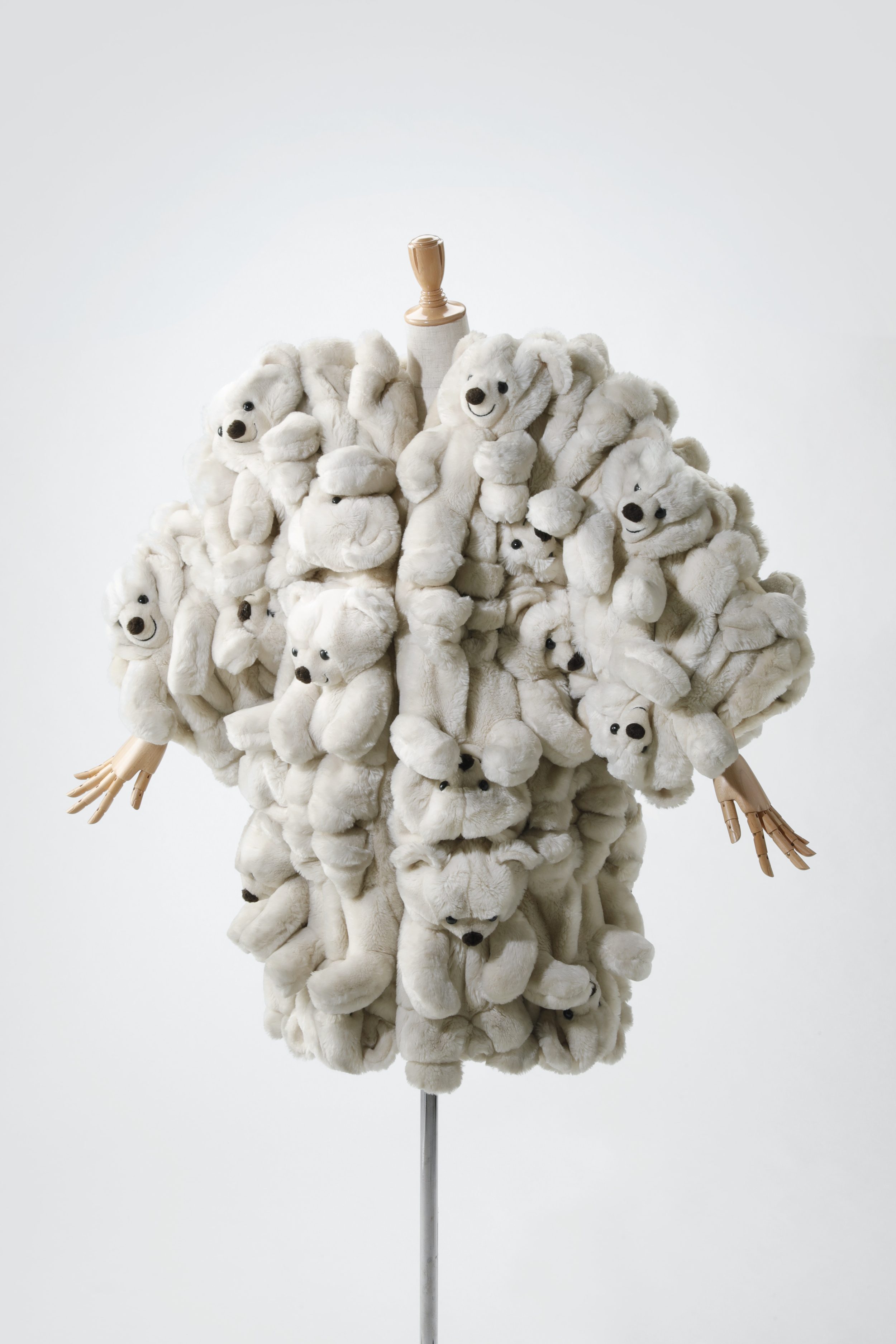
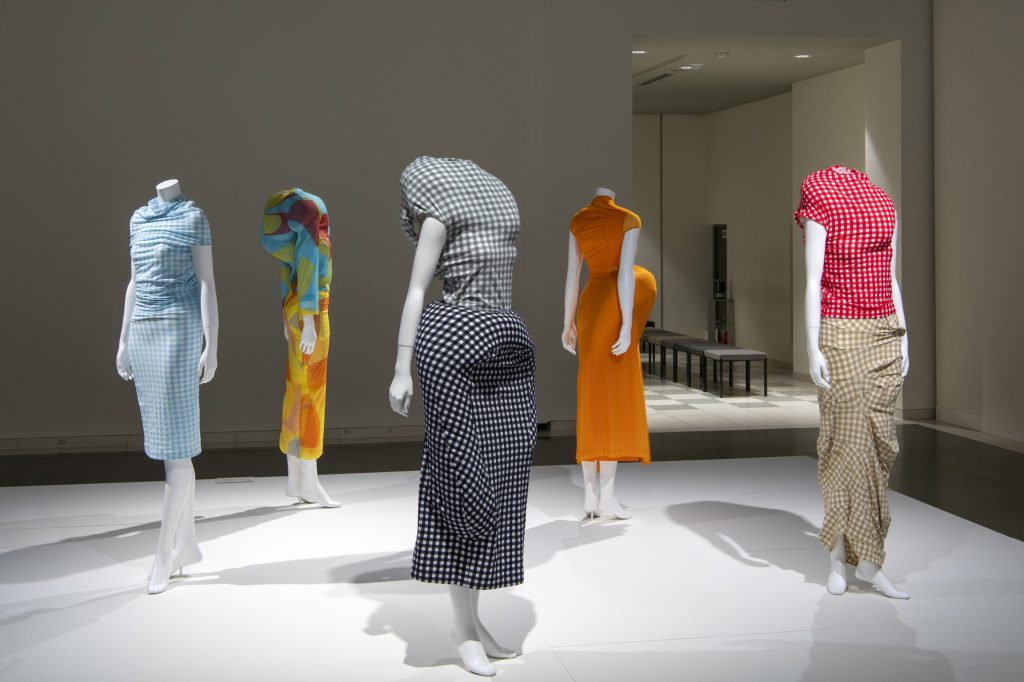
Approximately 100 objects of clothing, 20 accessories, and 40 artworks are displayed in five thematic sections. One section, titled “Break Free” features work by Rei Kawakubo (Comme des Garçons) who, with her innovative and liberated ethos, has set the standard for the unexpected and non-conforming designs. This section explores the freedom of dress, breaking away from pre-determined narratives such as gender, nationality, age, education, class, occupation, etc. (societies expectations) to reevaluate how we dress – “in search of myself”.
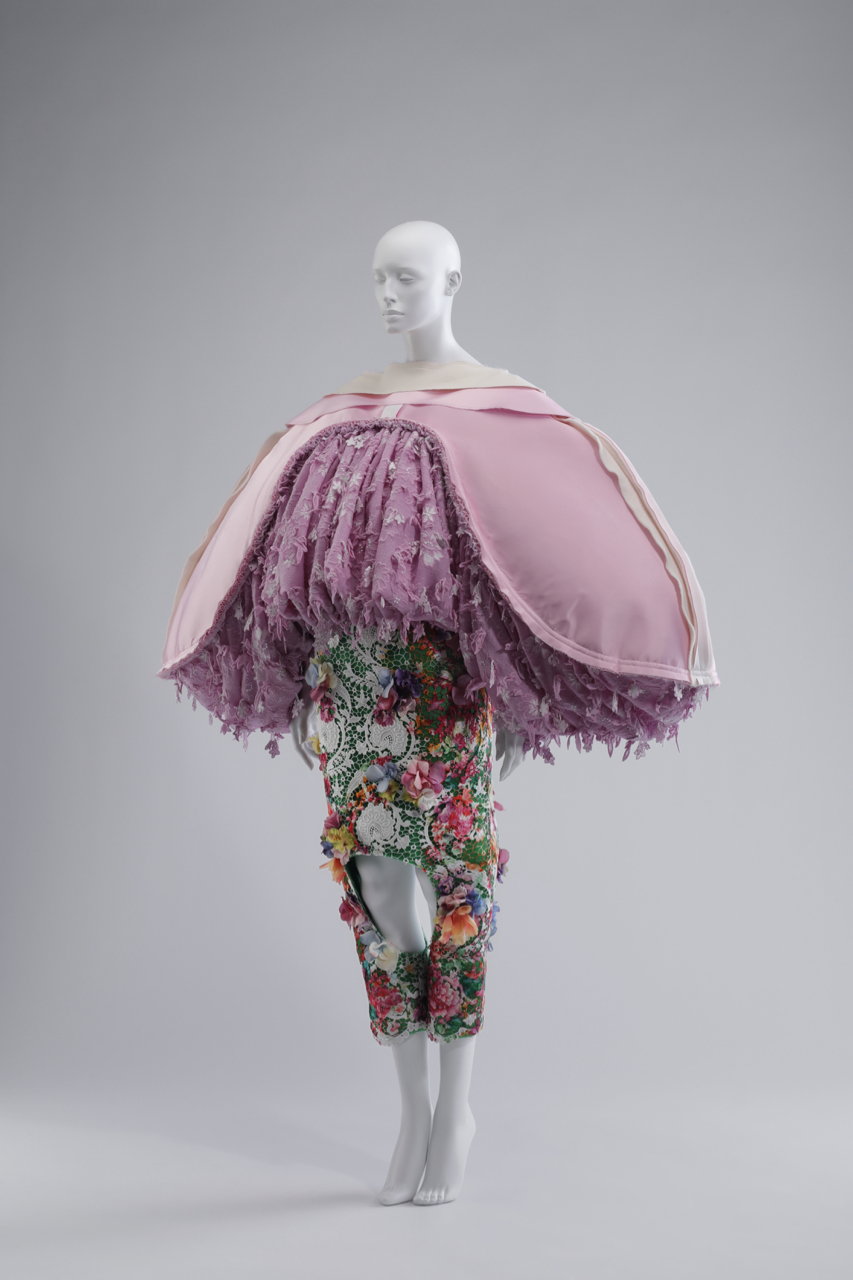
Note: “Must See” feature image (credit details below), Spring/Summer 1997 Body Meets Dress, Dress Meets Body collection by Rei Kawakubo of Comme des Garçons, questions the assumptions of female beauty and body shapes, and reframes them both. In this example of LOVE’s “Break Free”, Kawakubo boldly suggests an alternative to the standardized concept we have of our bodies. By freeing the clothes from their enslavement to the body, a new shape of ‘irregularity’, one of liberation is discovered. LOVE on tour in Japan – June 2025
The Design Museum’s Tomorrow’s Wardrobe critically examines the prospects for an environmentally sustainable fashion industry. Situated within the newly established Future Observatory exhibition space, which presents ongoing design research addressing the climate crisis, Tomorrow’s Wardrobe highlights the pressing need for reform and the innovative efforts being undertaken across the United Kingdom to reimagine the operational frameworks of the fashion sector.
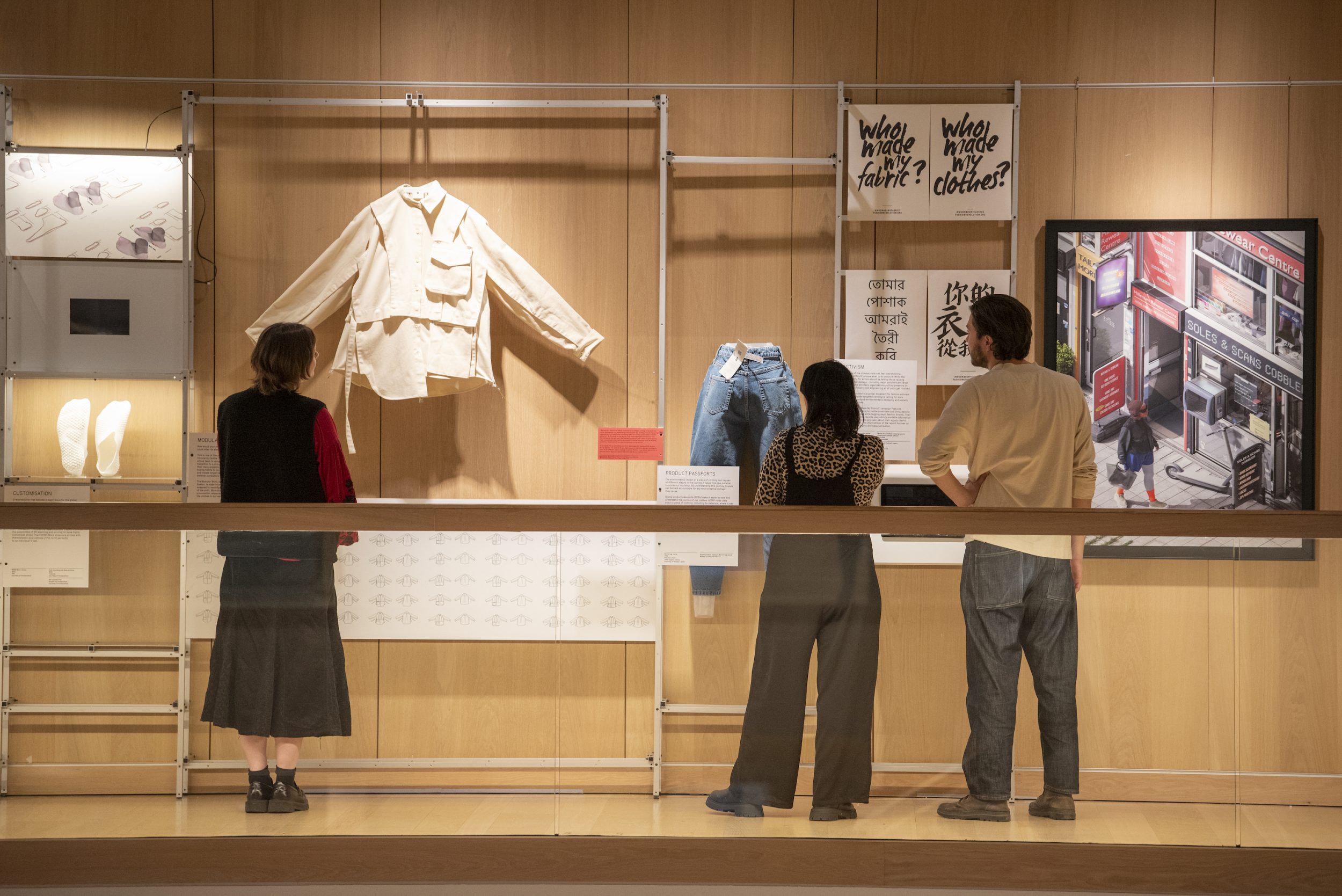
the Design Museum.
George Kafka, curator of Tomorrow’s Wardrobe, said: “Tomorrow’s Wardrobe demonstrates the diverse and far-reaching action being taken across the fashion industry to deal with the monumental environmental challenges it faces. The display shows that change can’t come from one group alone, but that collaboration across sectors – from farmers to manufacturers, brands to policymakers, and designers to consumers – will begin setting us in the right direction so that the clothes we wear don’t cost the earth.”
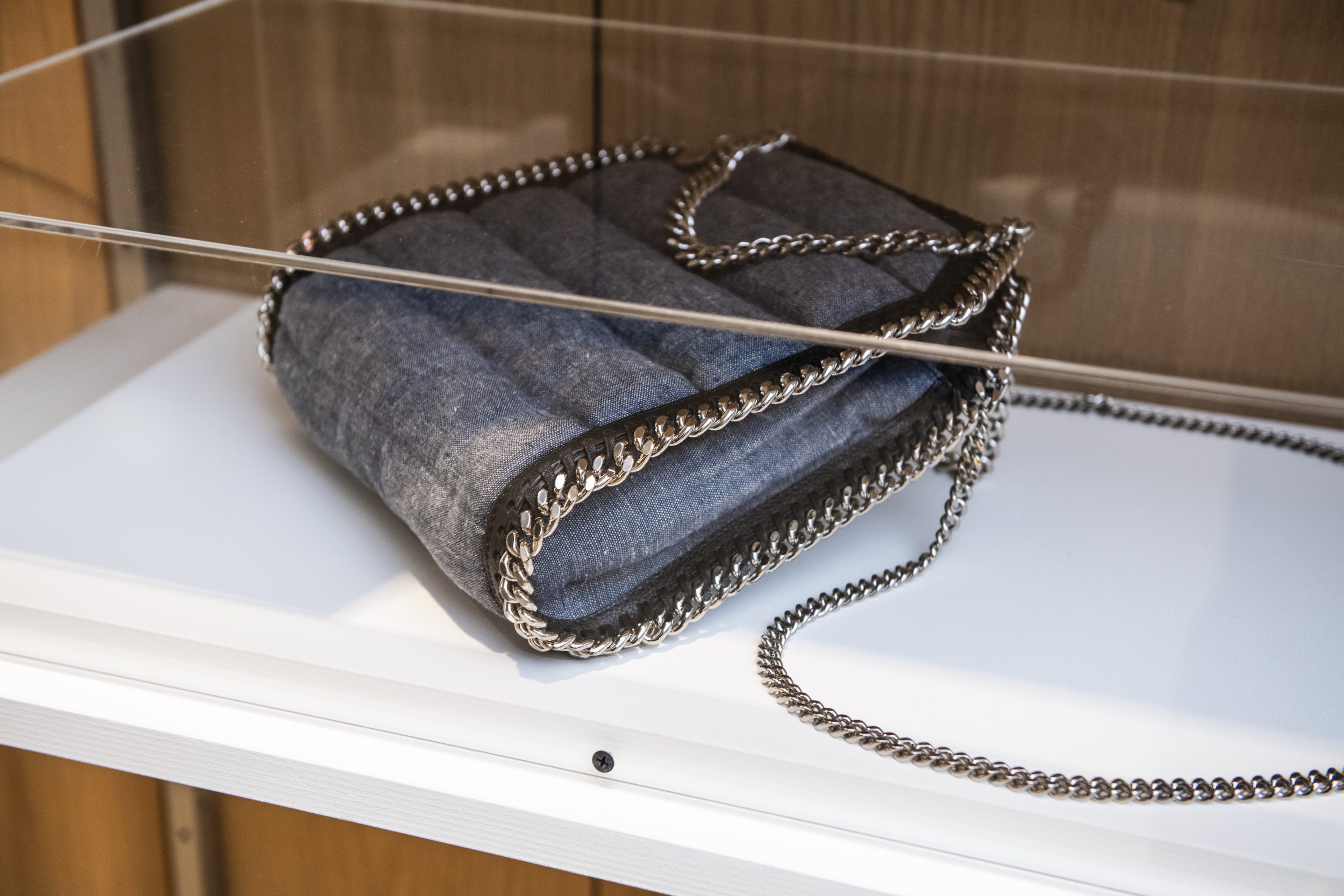
Falabella bag with BioPuff padding, by Stella McCartney in partnership with Ponda, in Tomorrow’s Wardrobe. Photography by Aaron Parsons for the Design Museum.
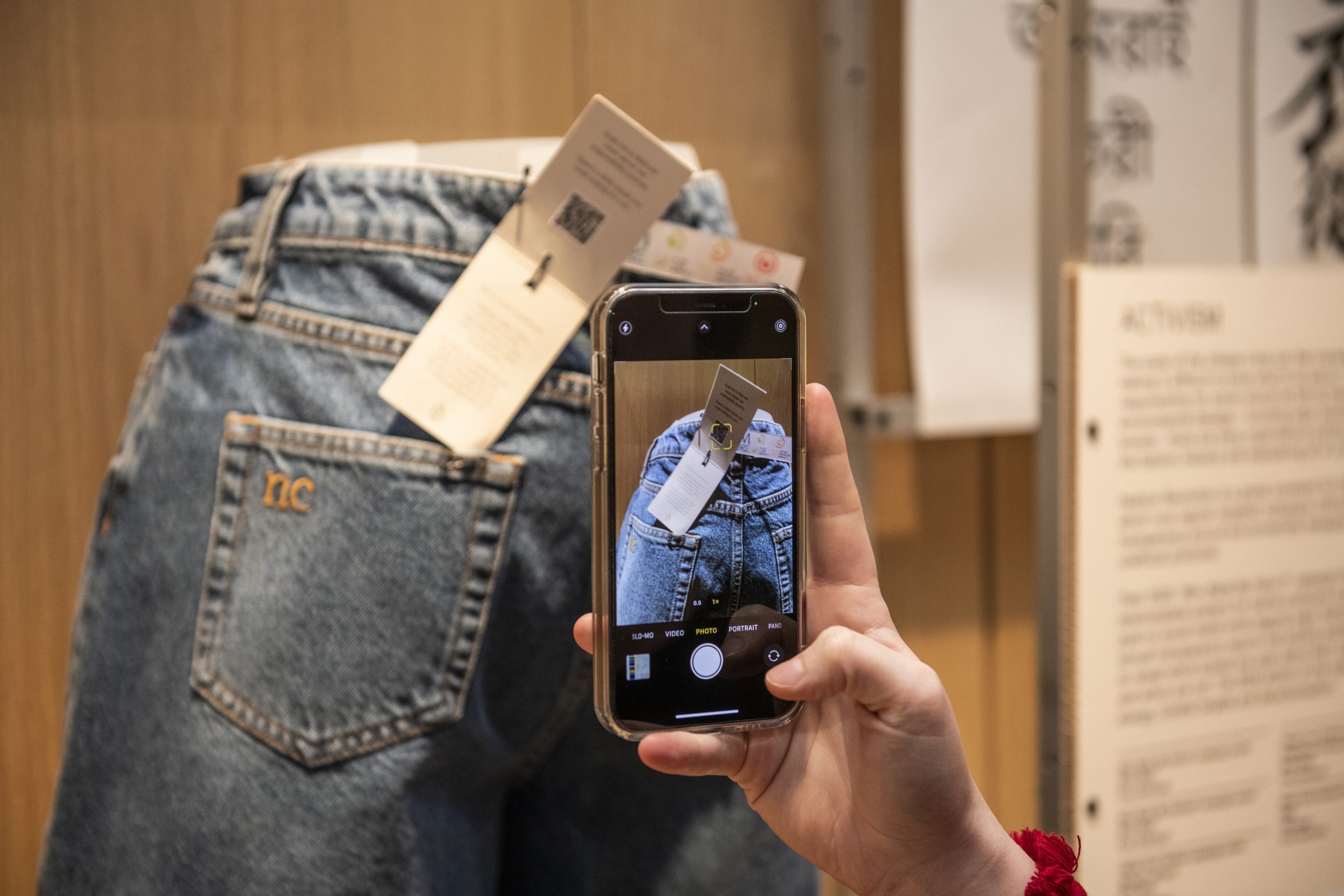
Moving from textile landscapes to design studios and individual garments, Tomorrow’s Wardrobe delineates a future constructed from an amalgamation of advanced and traditional tools: sewing machines, robotic arms, artificial intelligence, digital identities, upcycling, recycling, and more. It convenes a diverse consortium of designers from across the fashion industry who are transforming the methodologies by which we create, manufacture, and don clothing – including Stella McCartney, Ponda, Ahluwalia, Salomon, Ranra, Phoebe English, and Vivobarefoot. On view – August 2025
Tomorrow’s Wardrobe. Jeans by Nobody’s Child, featuring a Digital Product Passport. Photography by Aaron Parsons for the Design Museum.
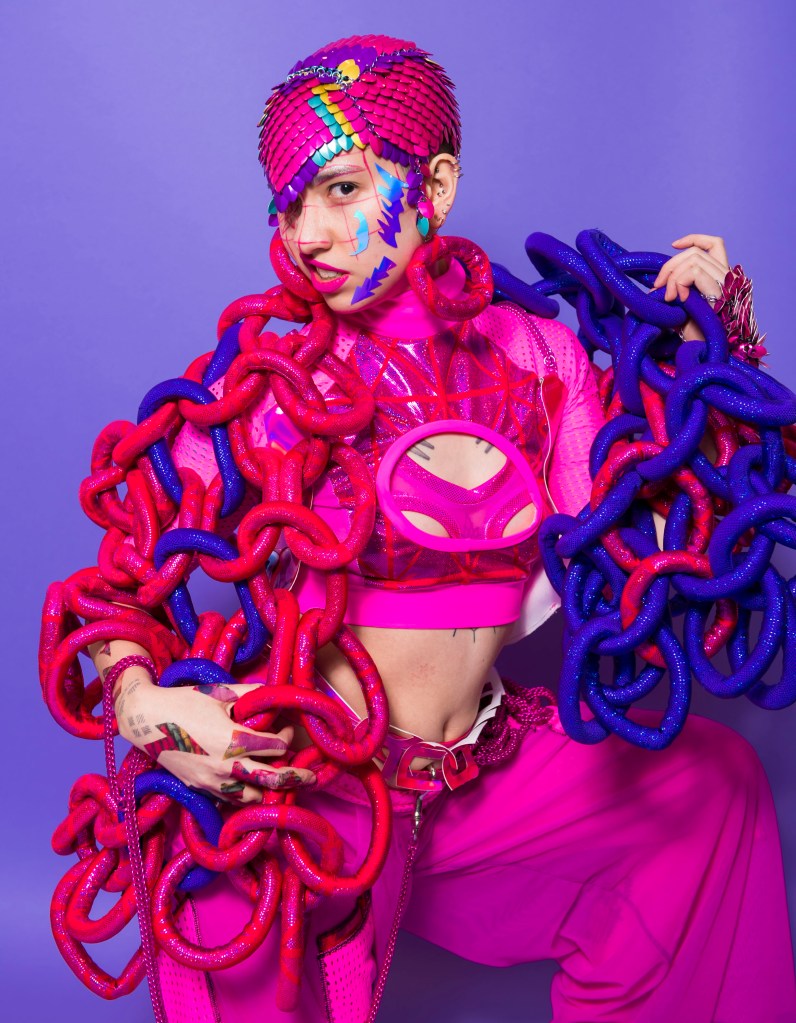
The Victoria & Albert Museum’s Design and Disability is all about shining a light on disability as a real culture and identity, diving into design, art, architecture, fashion, and photography from the 1940s up to today. It’s both a celebration and a wake-up call, showing how disabled, Deaf, and neurodiverse folks have always played a key and edgy role in shaping design history and today’s culture. With some cool examples of disability-first practices, it’ll highlight how disabled people have created everyday items based on their own experiences and skills, while also digging into the political and social story behind design and disability. Opens June 2025
The upcoming Spring 2025 exhibition at The Metropolitan Museum of Art Costume Institute, titled Superfine: Tailoring Black Style., draws inspiration from Monica L. Miller’s 2009 publication, Slaves to Fashion: Black Dandyism and the Styling of Black Diasporic Identity. This exhibition aims to provide a comprehensive cultural and historical analysis of the Black dandy, tracing the evolution of this figure from its inception in Enlightenment Europe during the 18th century to its contemporary representations in the global centers of London, New York, and Paris.
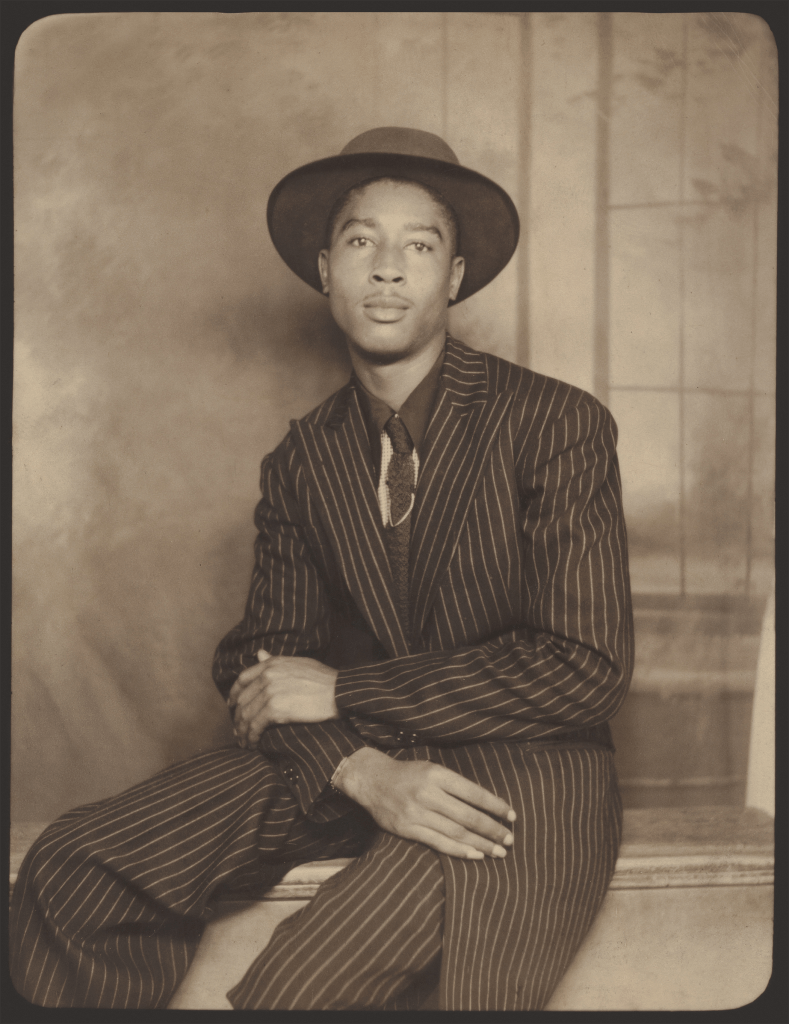
Monica L. Miller, Guest Curator, stated, “Fashion and dress have been used in a contest of power and aesthetics for Black people from the time of enslavement to the present, and dandyism has long served as a vehicle through which one can manipulate the relationship between clothing, identity, and power.”
Superfine is the Met’s first fashion exhibition to focus solely on the work of designers of color, as well as the first in more than two decades to focus explicitly on men’s wear. Andrew Bolton, Curator in Charge, The Costume Institute, commented: “Over the last few years, menswear has undergone somewhat of a Renaissance. At the vanguard of this revitalization is a group of extremely talented Black designers who are constantly challenging normative categories of identity. While their styles are both singular and distinctive, what unites them is a reliance on various tropes that are rooted in the tradition of dandyism, and specifically Black dandyism.” 10 May 2025 – 26 October 2025
Textiles
Curated by textile and wallpaper historian Mary Schoeser, London’s Fashion + Textile Museum is proud to present Textiles: The Art of Mankind , which shares its name with the book authored by the curator. This exhibition examines the significant role textiles have played throughout human civilization and culture while celebrating their universal and enduring appeal.
Many of the exhibition pieces, a range of ethnographic garments and textiles from the Jo Ann C. Stabb Collection at the University of California Davis, USA, express global identities as well as our cultural regard for animals. There are depictions of complex ideas, illustrations of the origins of computing in weaving, and the antiquity of the principle of ‘waste not want not’.
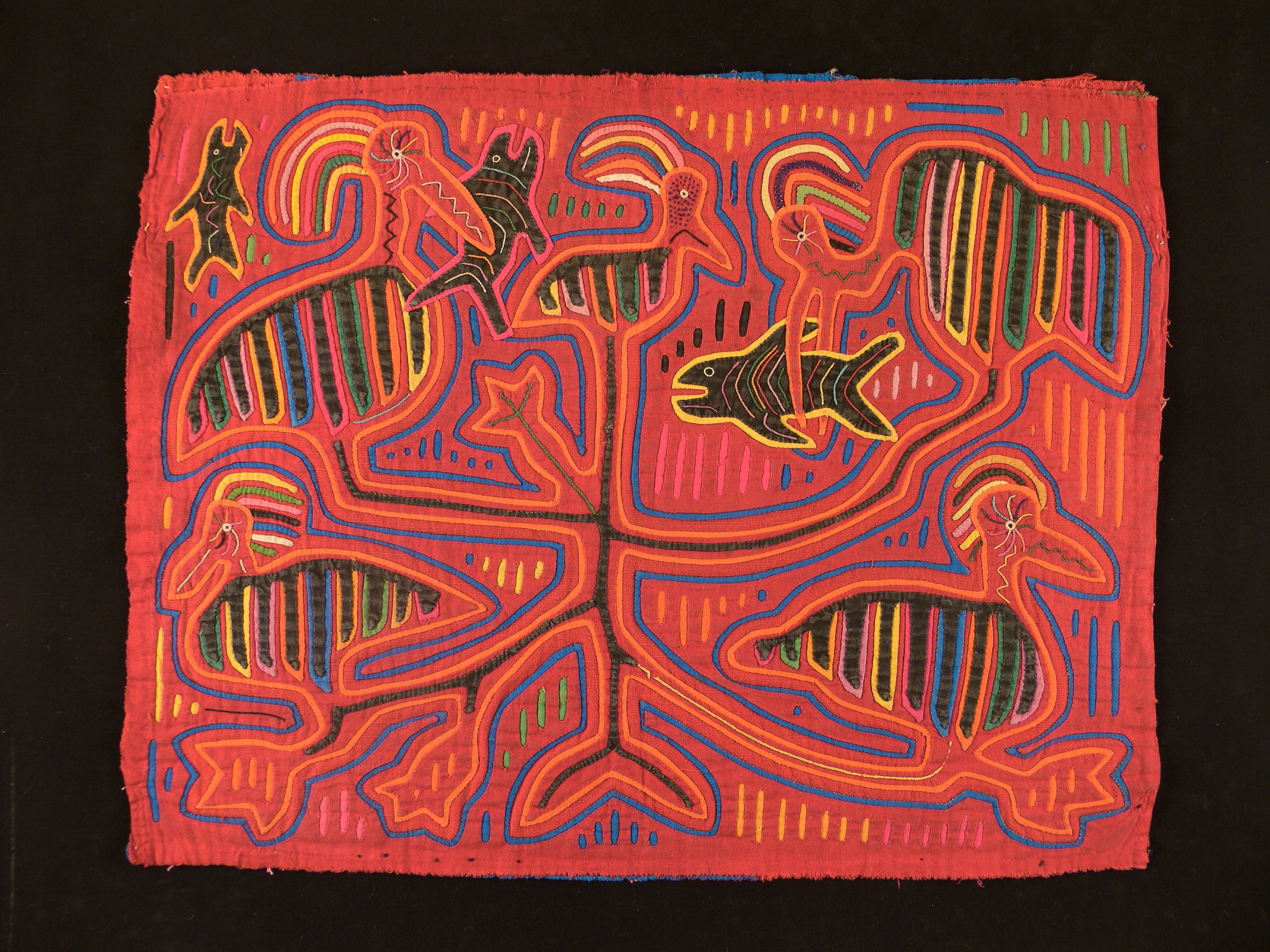
In addition, the textile work of UK based artist Lynn Setterington will explore contemporary issues in society and how stitch can be used to commemorate people and communities. 28 March 2025 – 7 September 2025
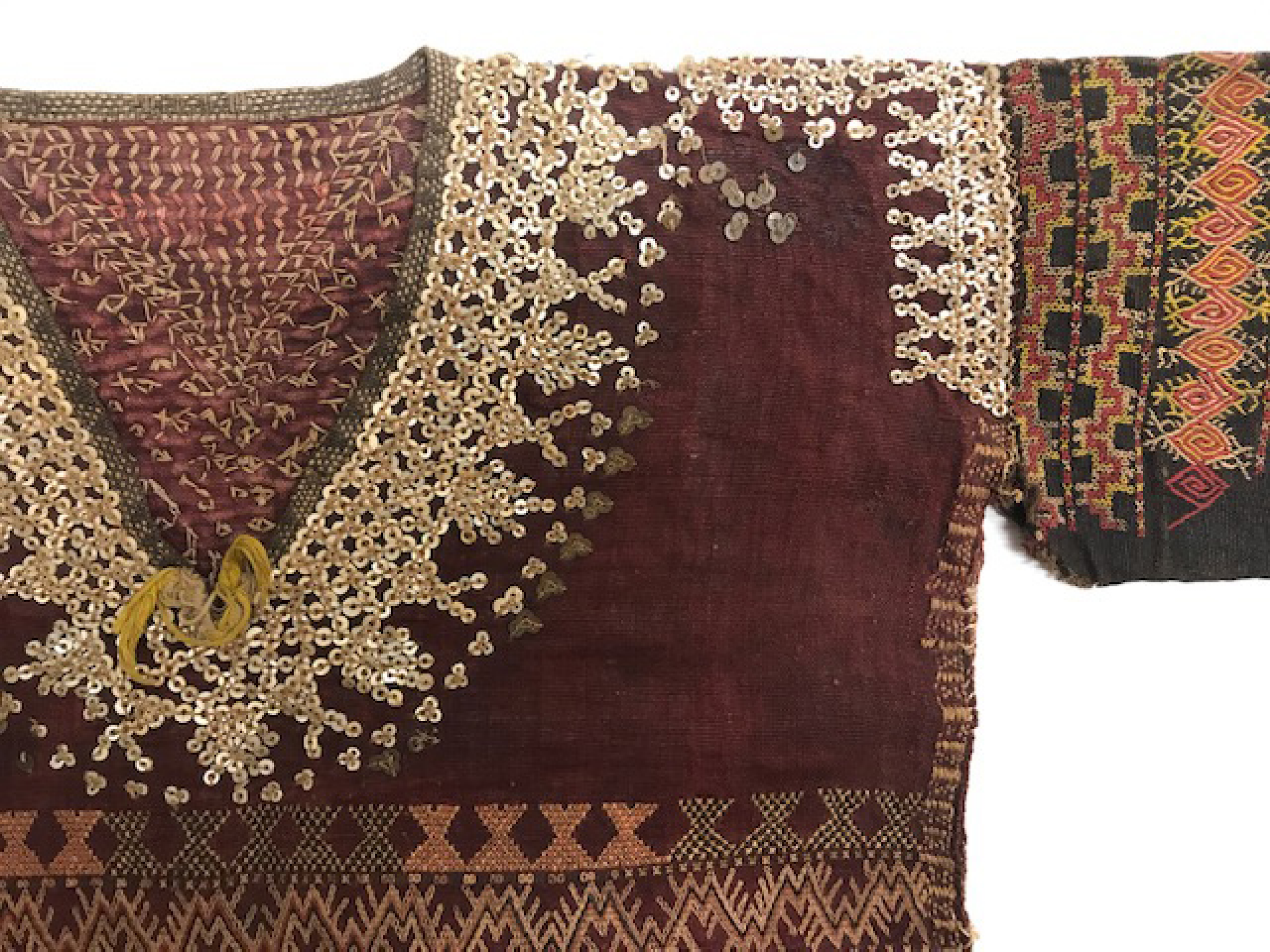
The RISD Museum is pleased to present From Pineapple to Pañuelo: Philippine Textiles. During the 19th and early 20th centuries, semi-transparent textiles known as piña, fabricated from the fibers of pineapple leaves, and abacá, woven from the fibers of the banana plant, held significant value among the elite class in the Philippines. Over time, these exquisite fabrics gained popularity as sought-after souvenirs among European and American ethnographers and tourists. The lightweight nature of these textiles, which were crafted into garments and accessories and adorned with lavish embroidery, renders them particularly suitable for the hot and humid climate of the Philippines. This exhibition showcases a curated selection of piña and abacá works from the RISD Museum collection, emphasizing the intricate production processes and the remarkable skill evident in their weaving and embroidering. 7 December 2024 – 11 May 2025
Retrospective, Historical
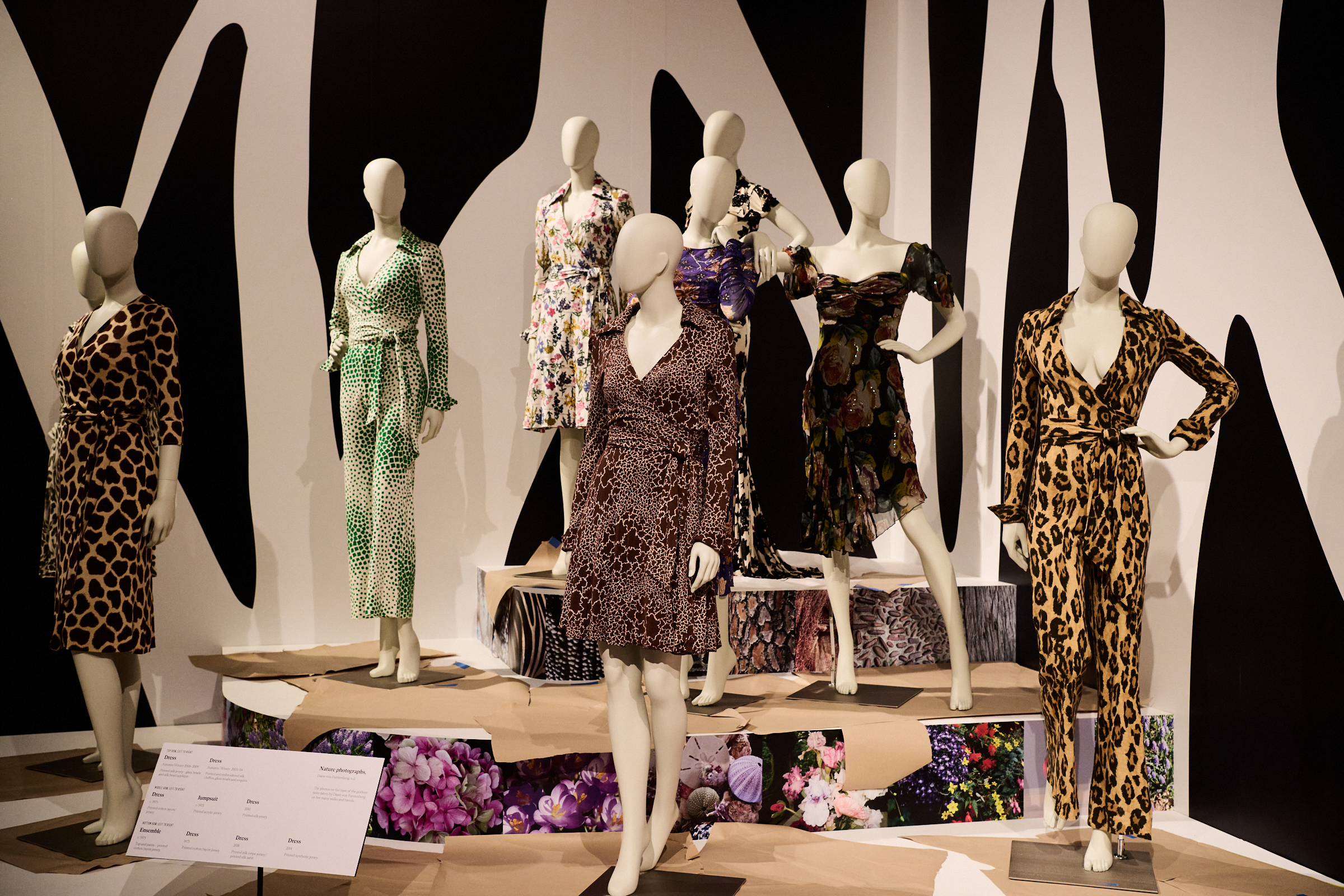
The Skirball Cultural Center is pleased to present Diane von Furstenberg: Woman Before Fashion. Coinciding with the 50th anniversary of Diane von Furstenberg’s iconic wrap dress, the exhibition delves into the remarkable life and oeuvre of the esteemed fashion designer Diane von Furstenberg. Diane, originating from the Fashion & Lace Museum in her native city of Brussels, Belgium, signifies a North American debut. The exhibition features an extensive collection of over 60 pieces sourced from the DVF archives, accompanied by ephemera, fabric swatches, media artifacts, and insights into her philanthropic endeavors.
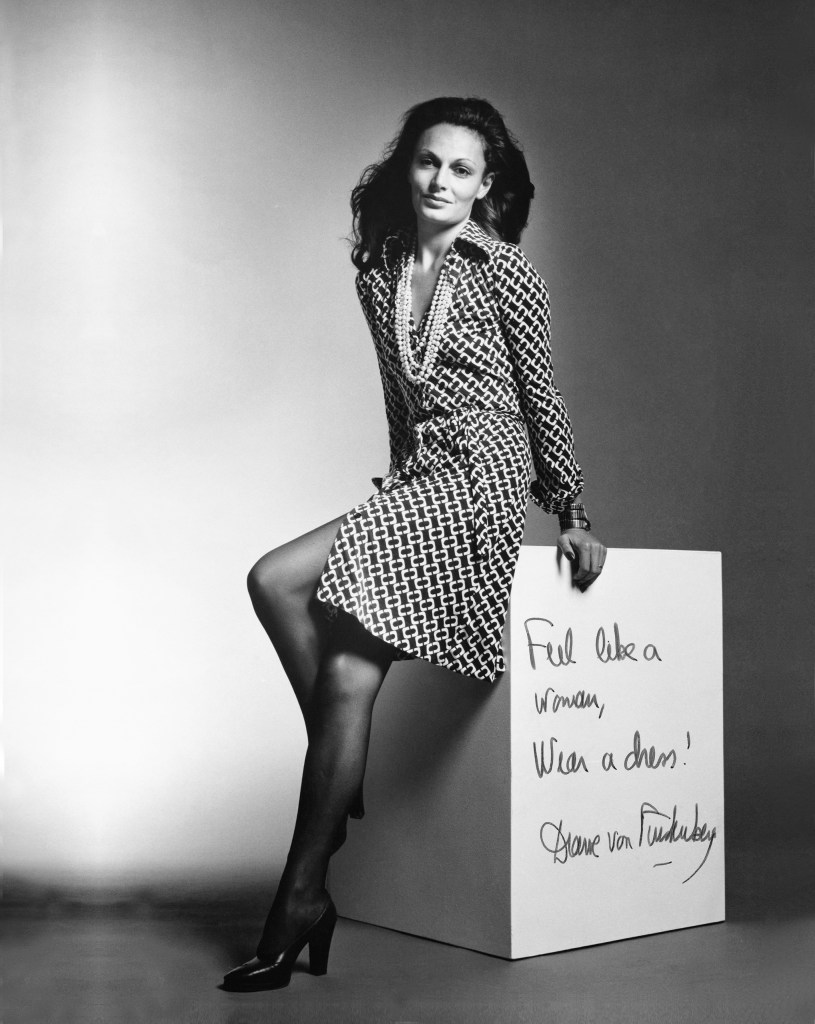
“I was 26 when I created the wrap dress. It was just a little printed dress made out of jersey, and before I knew it, I was living the American Dream, making more than 25,000 wrap dresses a week.” – Diane von Furstenberg
The Skirball’s presentation will also include new images and audio that shed light on von Furstenberg’s personal biography as the daughter of a Holocaust survivor and a war refugee, offering additional perspective on the factors that shaped her life and work. 17 October 2024 – 31 August 2025
Opening September 2025, V&A will host UK’s first ever exhibition on Marie Antoinette, Marie Antoinette Style, exploring the origins and countless revivals of the style shaped by the most fashionable queen in history. A fashion icon in her own time, the dress and interiors modelled and adopted by the ill-fated Queen of France in the final decades of the eighteenth century have had a lasting influence on over 250 years of design, fashion, film and decorative arts. 20 September 2025 – 22 March 2026
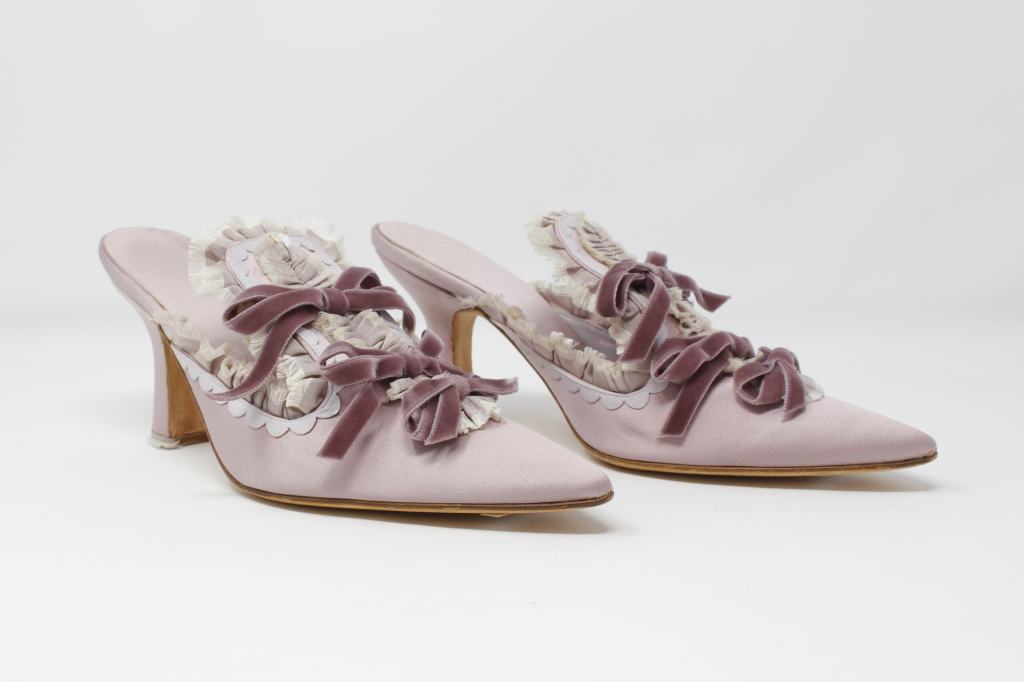
The Collection: Greatest Fits (Vol. 1) The Art of Archiving Fashion is an ongoing, multi-year series that showcases the depth of the Phoenix Art Museum’s fashion holdings. With more than 80 garments and accessories, Greatest Fits begins the series by tracing the evolution of the Museum’s collection from its founding in 1966 to the present day. The installation features archival works and early fashion acquisitions that highlight the impact of Arizona Costume Institute on the collection’s formation.

What’s notable about the Phoenix Art Museum, it is one of few art institutions in the United States that continually collects, preserves, and exhibits works of fashion. The Museum began collecting fashion in 1966, when Arizona Costume Institute was founded to support the acquisition and preservation of garments and accessories of historical and aesthetic significance. 09 October 2024 – ongoing

Featuring over 70 artifacts of fashion, the Chicago History Museum celebrates major milestones for its costume collection and Costume Council’s history through its newest exhibition, Dressed in History: A Costume Collection Retrospective.
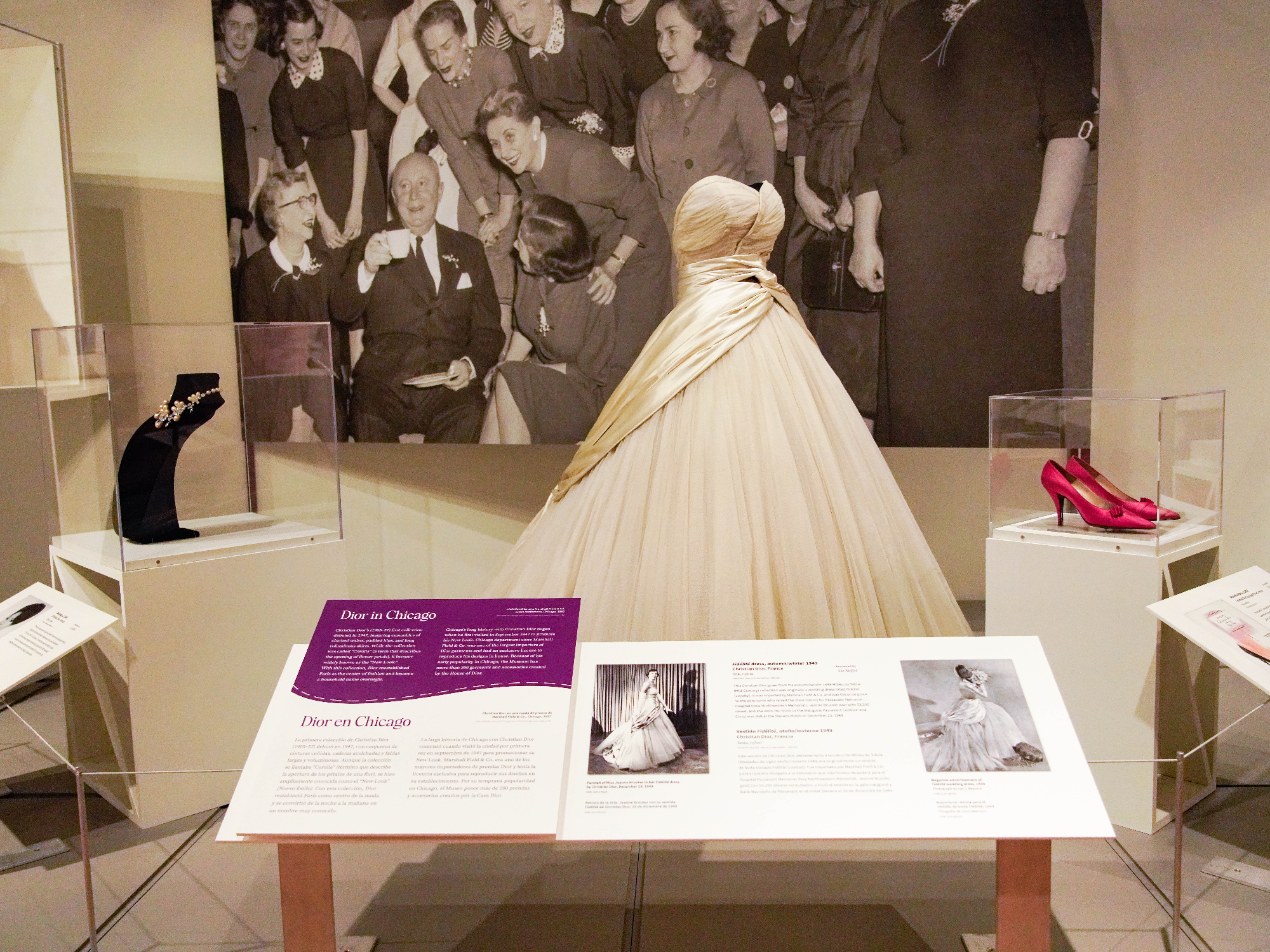
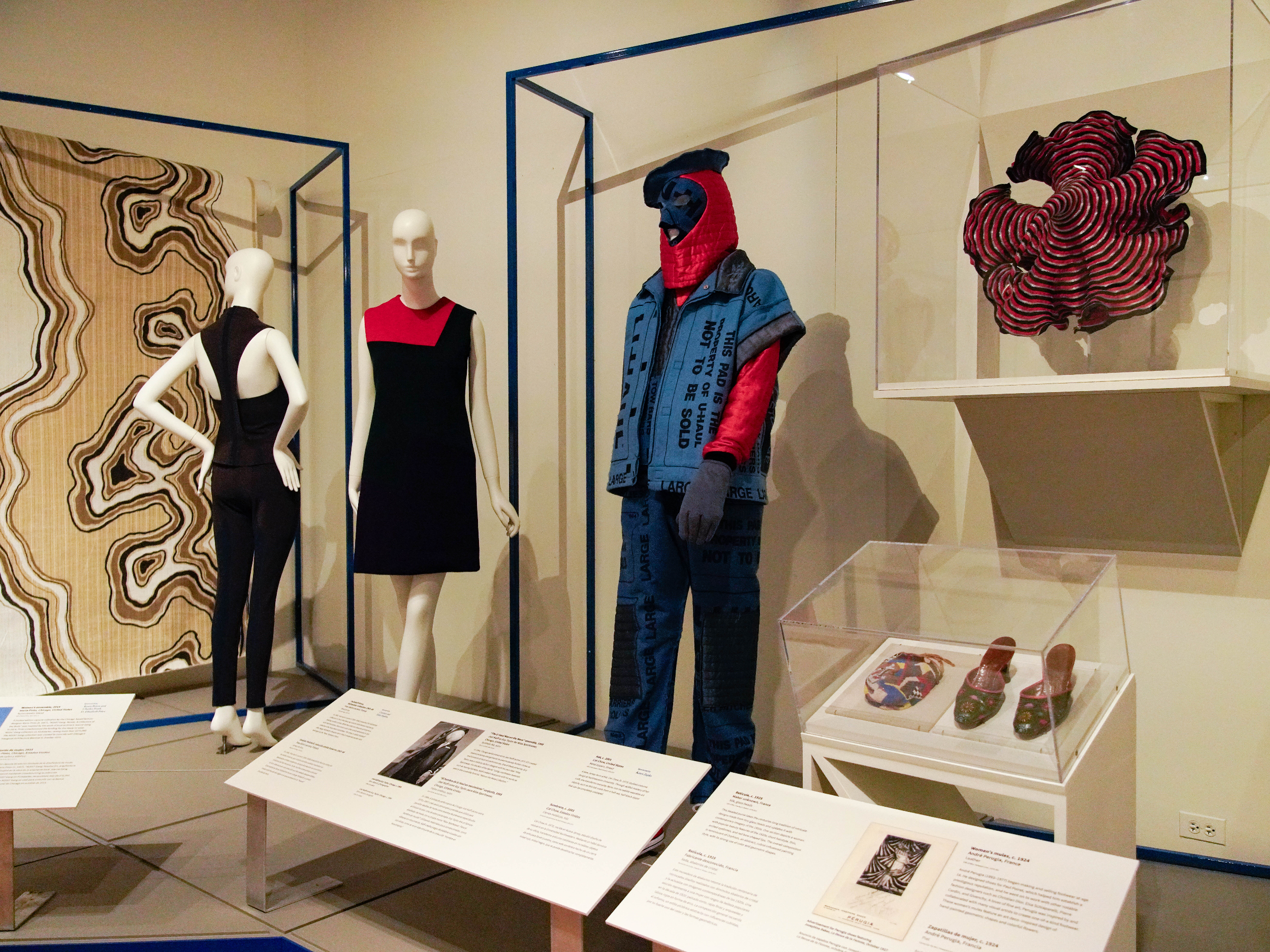
“Clothing is an artifact all of us can relate to, and Chicagoans have a long history with fashion as consumers, retailers, designers, and manufacturers,” says exhibition curator, Jessica Pushor. “From the birthplace of mail-order catalogs to the large garment manufacturing industry from 1880 to the 1920s, Chicago has had a major impact on fashion history and continues to do so through the city’s design schools, local designers who call Chicago home, and retail establishments.” On view – 27 July 2025
Must See Exhibitions, Closing Soon
- Imane Ayissi: From Africa to the World, SCAD FASH, Atlanta, GA; now on view – 23 February 2025
Must See Exhibitions
- Design and Disability, Victoria & Albert Museum, London; 07 June 2025 – 15 February 2026
- Diane von Furstenberg: Woman Before Fashion, Skirball Cultural Center, Los Angeles; 17 October 2024 – 31 August 2025
- Dressed in History: A Costume Collection Retrospective, Chicago History Museum, Chicago, Il; on view – 27 July 2025
- From Pineapple to Pañuelo: Philippine Textiles, RISD Museum, Providence, RI; 7 December 2024 – 11 May 2025
- LOVE Fashion: In Search of Myself, Contemporary Art Museum, Kumamoto, Japan, 21 December 2024 – 02 March 2025; Tokyo Opera City Art Gallery, 16 April – 22 June 2025
- Marie Antoinette Style, Victoria & Albert Museum, London; 20 September 2025 – 22 March 2026
- Superfine: Tailoring Black Style, The Costume Institute at The Metropolitan Museum of Art, New York; 10 May 2025 – 26 October 2025
- Textiles: The Art of Mankind, Fashion + Textile Museum, London; 28 March 2025 – 7 September 2025
- The Collection: Greatest Fits (Vol 1) The Art of Archiving Fashion, Phoenix Art Museum, Phoenix, AZ; 09 October 2024 – ongoing
- Tomorrow’s Wardrobe, The Design Museum, London; 14 September 2024 – August 2025
Feature Image: “Love Fashion: In Search of Myself” The National Museum of Modern Art September 13- November 24, 2024, ©The Kyoto Costume Institute, photo by Kazuo Fukunaga, Comme des Garçons, 1997 Spring/Summer
 E D G E