
Circular Fashion
A circular fashion system functions under the premise of finite resources, consistent with the principles of a circular economy. Apparel, footwear, and accessories are produced within a closed-loop system, designed for re-entry after use, enabling their re-manufacture from recycled or renewable inputs, thereby ensuring that they do not ultimately end up in landfills.
Deadstock
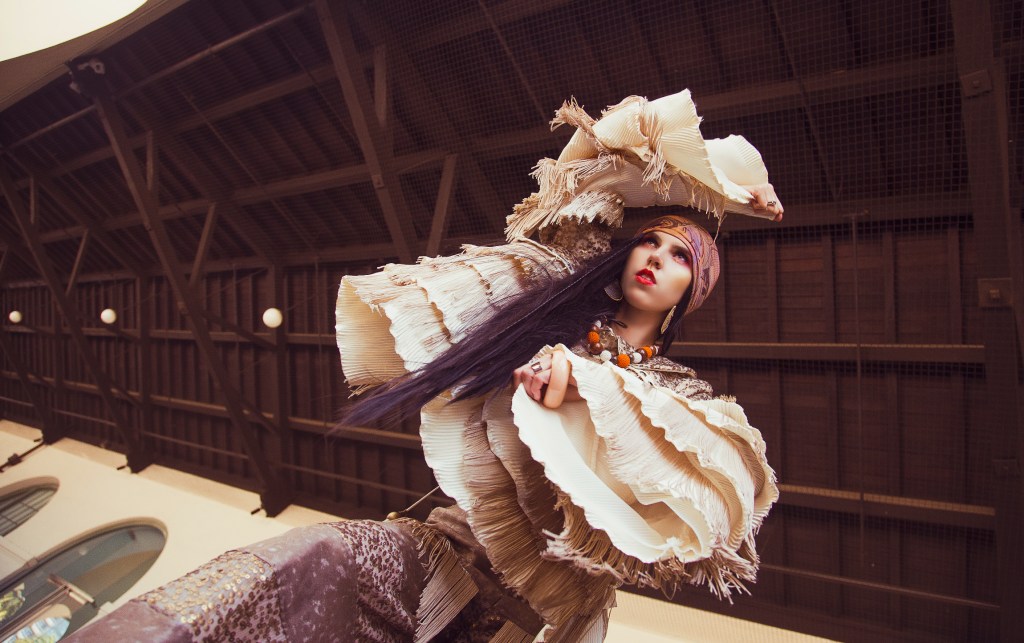
Deadstock refers to textile waste that encompasses yarns, materials, and garments which are overproduced, defective, rejected, or unsold during the manufacturing and pre-consumer stages of the supply chain. This surplus is typically sold to wholesalers or jobbers, donated to educational or charitable initiatives, destroyed, or ultimately disposed of in landfills. It is noteworthy that luxury brands are often criticized for their inappropriate disposal methods, such as slashing or burning deadstock, as a means to protect their intellectual property.
Fast Fashion
Fast fashion represents a business model that facilitates the rapid mass production of fashionable, inexpensive, and low-quality apparel and footwear, which are often worn briefly before being discarded. This model has a detrimental environmental impact, contributing to global carbon emissions, wastewater generation, water and air pollution, and landfill accumulation, as well as fostering unethical and unsafe working conditions. ZARA, H&M, Shein, and Uniqlo are recognized as the leading brands within the fast fashion sector.
Recycle
Recycled fashion represents a fundamental component of a circular, closed-loop system that encompasses the collection, sorting, and processing of textile waste materials to transform them into new raw materials. These repurposed raw materials are utilized in the manufacturing of new goods, thereby promoting sustainability and reducing the environmental impact associated with traditional production methods. This practice not only reduces waste but also encourages responsible consumption within the fashion industry.
Upcycle
Upcycled fashion involves the repurposing of existing garments or discarded materials to create new pieces that not only demonstrate innovation but also advocate for sustainability. This practice emphasizes the significance of extending the life cycle of items that would otherwise contribute to environmental waste. As a contrast to mass production, which often prioritizes quantity over quality, upcycled fashion produces innovative and distinctive garments that reflect individual style and consciousness towards ecological impact.
Zero Waste
Zero waste, minimizing waste at all stages of the production chain, is key to a circular fashion system. Starting at the design and pattern development phase, patterns are engineered to use the entire piece of textile, to reduce or eliminate excess textile waste in the cutting phase. Traditional methods like the making of Japanese kimonos and Indian saris are an example of waste minimized by the planned layout of a garment to maximize fabric yield.
Photo: Alena Kalana’s designs are an example of the use of deadstock. Look #4 of her collection Tibetan Transplant, uses deadstock materials sourced from a jobber. The top is made of seven different fabrics, including rayon silk, felted wool, and pre-pleated poly, and 96 pattern pieces. The pant is made of three fabrics, upholstery, mesh overlay with sequins, and pre-pleated poly, and 36 cut pieces. Photography by Natasha Hayes.

 E D G E