As an art enthusiast, I love attending art exhibits at galleries and museums, as they offer a unique glimpse into the creativity and expression of various artists. When it comes to fashion exhibitions at these institutions, it is typically a deep dive into the history of a fashion genre, notable designers, or the cultural influences that have shaped styles throughout the ages. These events often celebrate the evolution of fashion, showcasing iconic pieces and the narratives behind them. However, it is quite rare to see an event featuring current contemporary designers who are exhibiting what is culturally relevant today, reflecting the dynamic and ever-changing landscape of the fashion world. Even more infrequently do we encounter exhibitions dedicated to Black designers, whose innovative contributions and perspectives are crucial in understanding the full spectrum of the fashion industry. These underrepresented voices often provide refreshing viewpoints that challenge the status quo, enriching the dialogue around modern fashion and its intersections with society.
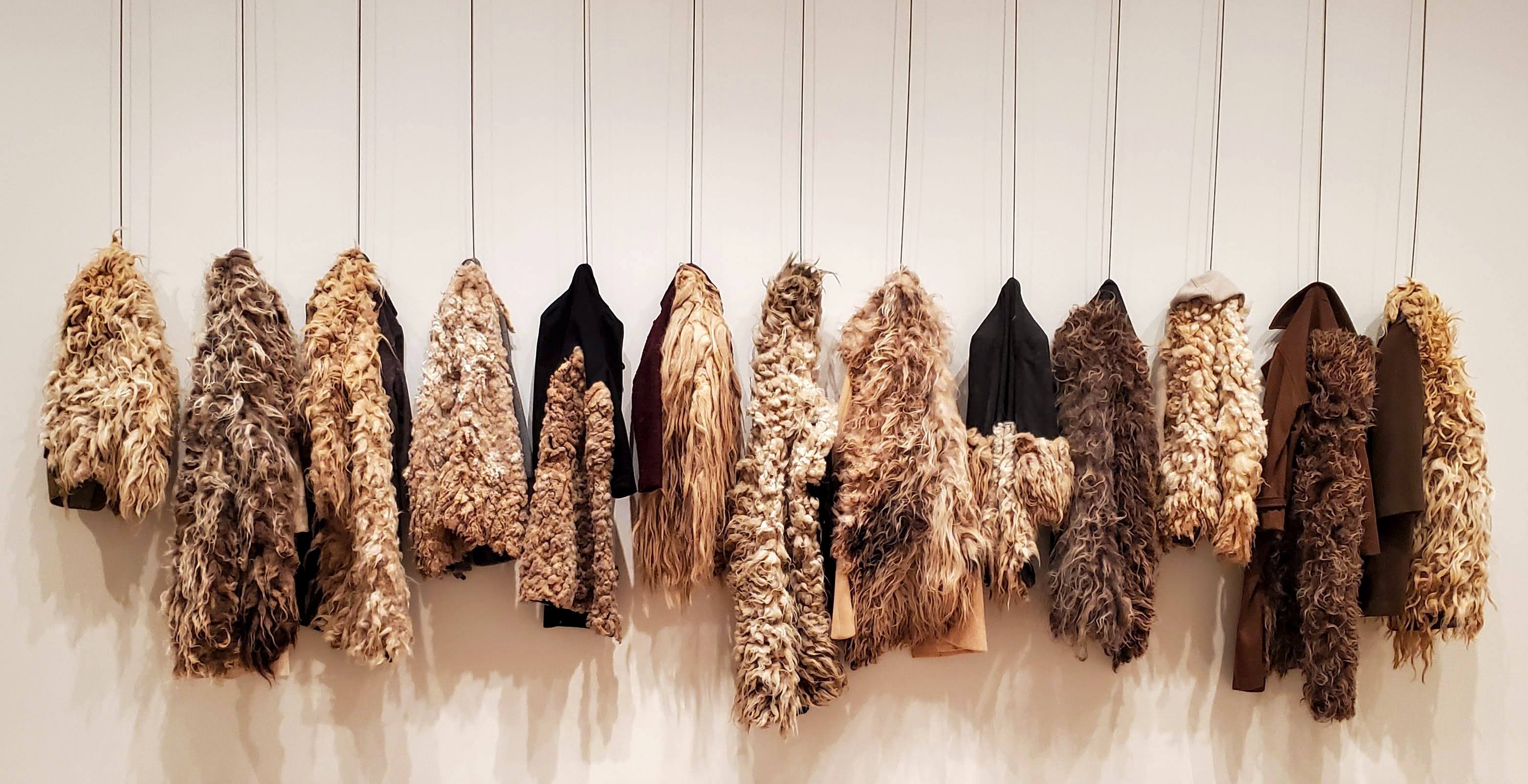
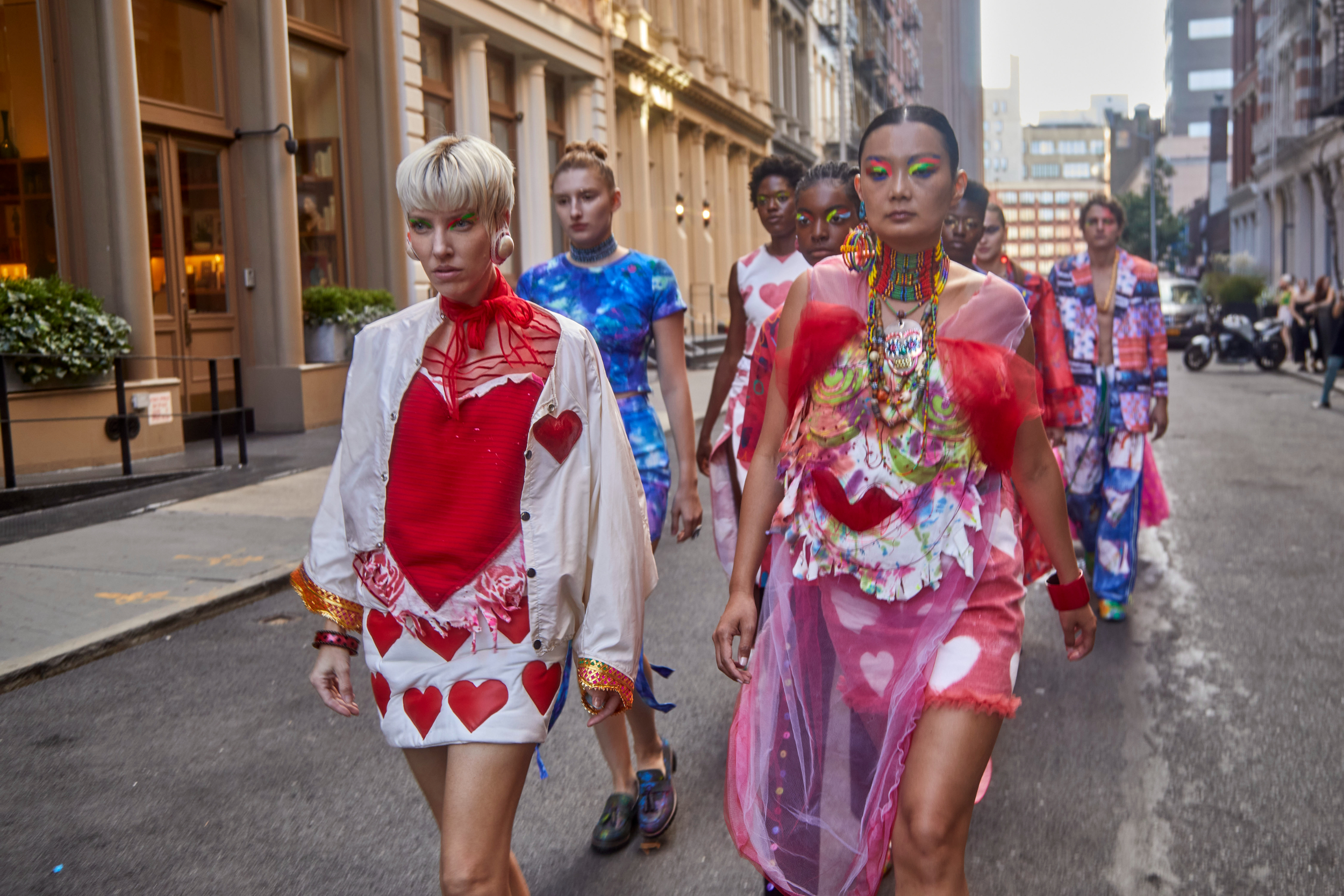
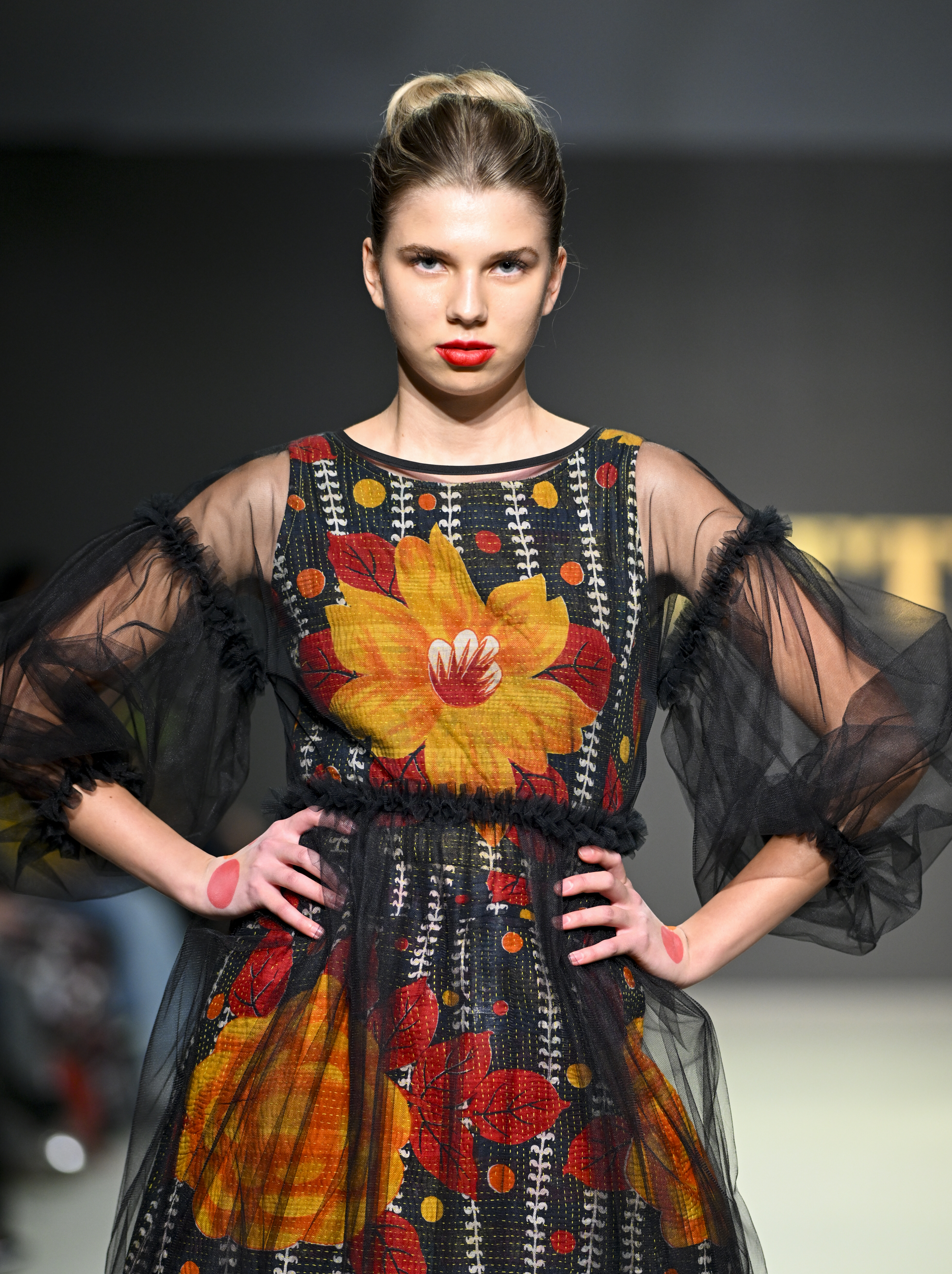
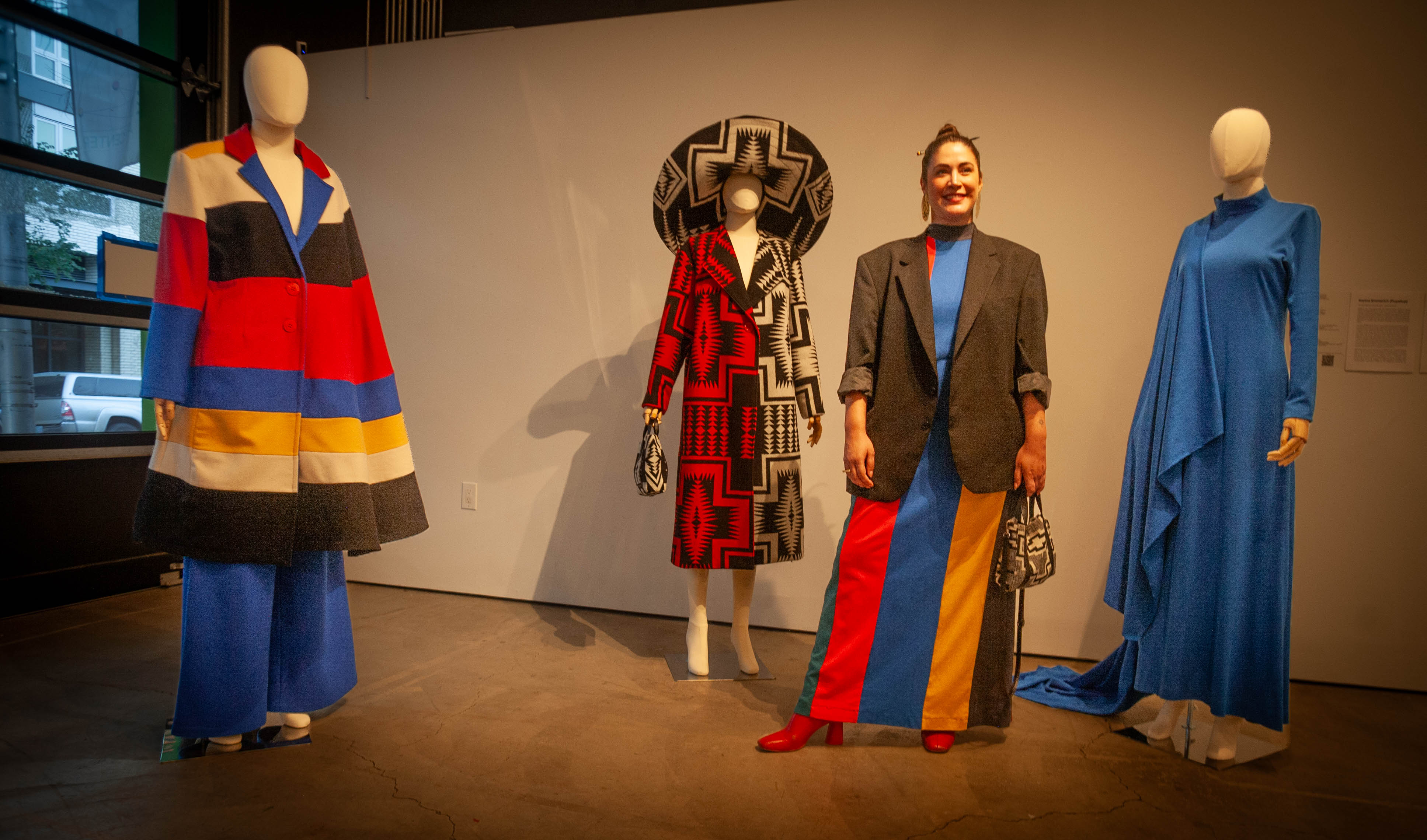
The one exception is the current exhibition at Pratt Manhattan Gallery. Black Dress: Ten Contemporary Fashion Designers exhibition, 7 February – 26 April 2014, celebrates the innovative work of ten up-and-coming and established New York-based Black fashion designers. This is a market that, despite their influence and success, remains underrepresented in the fashion industry.
Press statement:
Black Dress celebrates ten black designers who each possess a singular vision and, perhaps just as importantly, the resourcefulness and perseverance to succeed in the fashion world, which has historically downplayed their earlier counterparts’ achievements. The exhibition explores how the background of each designer—some have come to New York from such diverse places as the Caribbean, Detroit, and Senegal—has affected his or her work. It also marks a new chapter in fashion history rich with a greater range of creative influences and professional opportunities.
Historically, black fashion was rooted in the tailors and dressmakers who often sewed the finest gowns and suits for slaveholders and members of high society. Only a few of these pioneers received recognition, such as Elizabeth Keckley, dressmaker to Mary Todd Lincoln; fashion designer/ costumer Zelda Wynn Valdes, who created the iconic Playboy Bunny outfit and dresses for actresses like Dorothy Dandridge, Marlene Dietrich, and Mae West; and Ann Lowe, who designed the wedding dress for Jacqueline Bouvier Kennedy.
Today, all designers have new tools available to foster their professional careers. Black Dress spotlights the innovative ways designers have branded themselves and generated business, establishing strong word-of-mouth networks, private ateliers, and cooperative retail operations.
Today’s resourceful designers have sought financing through Kickstarter campaigns, online boutiques, and exposure through reality television. Meanwhile, they’ve expanded their client bases closer to home in places like Harlem and Brooklyn, eschewing traditional downtown and midtown Manhattan fashion bastions. As an alternative to the established fashion retail destinations of Madison Avenue and Fifth Avenue, the exhibition design of Black Dress offers the imagined destination “Style Avenue,” a mock street scene in the gallery, complete with shop windows.
In order to illustrate how these designers’ creations come to life when worn, Black Dress is complemented by a video directed and produced by Carrie Mae Weems, famed MacArthur Fellow (2013), photographer, and video artist. The video will feature models Nykhor Paul and Devin L.T. Clarke, wearing garments by each of the designers. Celebrity stylist Ty-Ron Mayes worked alongside Weems to create the looks for this piece.
We hope that Black Dress will both showcase the featured designers and illustrate their success in the context of black fashion history. In any case, it is a necessary, broad salute to their achievements.
Professor Adrienne Jones, Paula Coleman, and Walter Greene
Designers
Jeffrey Banks, Samantha Black, Stephen Burrows, Donna Dove, Epperson, Michael Jerome Francis, Byron Lyars, Tracy Reese, Omar Salam, and LaQuan Smith.
Feature image: Black Dress Exhibition at Pratt Manhattan Gallery, Image Credit: © Claudia Castro/Citrico, Inc.